
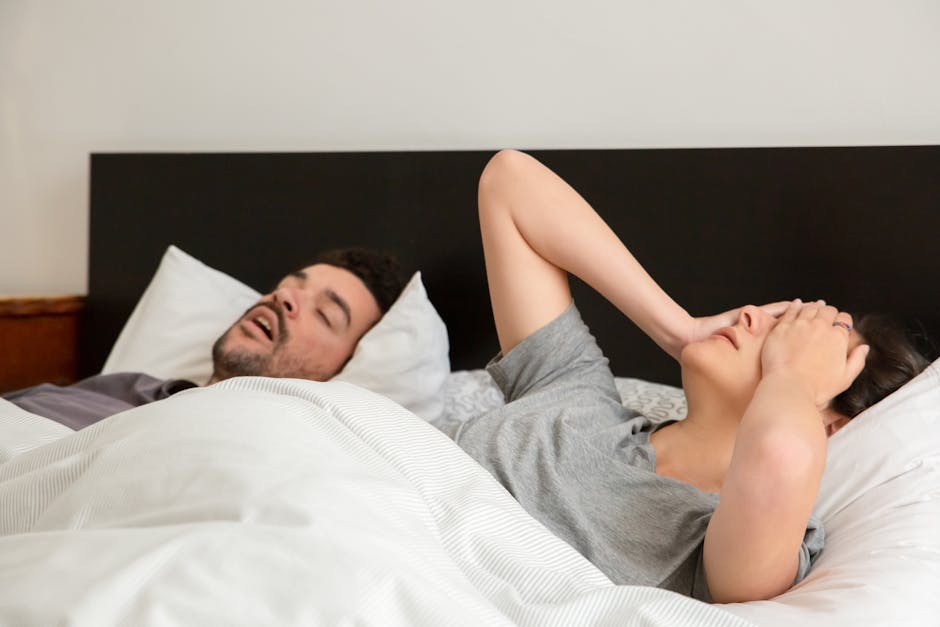
Snoring. That rumbling, sometimes whistling, often disruptive sound that can keep you and your partner up at night. It’s a common problem, affecting millions of people, and while it can be humorous, it can also be a sign of underlying health issues and a major strain on relationships. Fortunately, there are a number of remedies that can help quiet the night and bring back peaceful slumber.
One of the most effective ways to address snoring is to identify and address lifestyle factors. Being overweight or obese can contribute to snoring due to excess tissue in the throat. Losing even a small amount of weight can make a noticeable difference. Smoking irritates the nasal passages and throat, leading to inflammation and increased snoring. Quitting smoking is beneficial for overall health and can significantly reduce snoring. Alcohol and certain medications, like sedatives and muscle relaxants, can relax the throat muscles, making snoring more likely. Limiting alcohol consumption and discussing medication side effects with your doctor can be helpful.
Sleeping position plays a big role in snoring. Sleeping on your back often causes the tongue and soft palate to collapse to the back of the throat, obstructing airflow and causing snoring. Try sleeping on your side. A simple trick is to sew a tennis ball into the back of your pajamas to discourage back sleeping. Elevating your head with an extra pillow can also help keep your airways open.
Keeping your nasal passages clear is crucial for unobstructed breathing. If allergies or congestion are contributing to your snoring, try using a saline nasal spray or rinse before bed. A humidifier can add moisture to the air, helping to prevent dryness and irritation in the nasal passages. Nasal strips can also help to open up the nostrils and improve airflow.
For some, over-the-counter aids can provide relief. Oral appliances, like mandibular advancement devices, can help to keep the airway open by bringing the lower jaw forward. These devices can take some getting used to, but they can be effective for many snorers. Throat sprays and nasal dilators are also available and may provide temporary relief.
If lifestyle changes and over-the-counter remedies aren't enough, it's important to consult with a doctor. Snoring can sometimes be a symptom of a more serious underlying condition, such as sleep apnea. Sleep apnea is a condition where breathing repeatedly stops and starts during sleep. A doctor can diagnose sleep apnea and recommend appropriate treatment, such as continuous positive airway pressure (CPAP) therapy.
CPAP therapy involves wearing a mask over the nose and/or mouth while sleeping. The mask is connected to a machine that delivers a continuous stream of air, keeping the airway open and preventing snoring and apnea episodes. While CPAP therapy can be highly effective, it can take some adjustment. Working closely with a doctor or sleep specialist can help ensure a comfortable and successful experience.
Snoring can be a frustrating problem, but it doesn't have to be a permanent one. By exploring these remedies and seeking professional guidance when necessary, you can take steps towards quieter nights and more restful sleep for both you and your partner.
Leave a Reply