
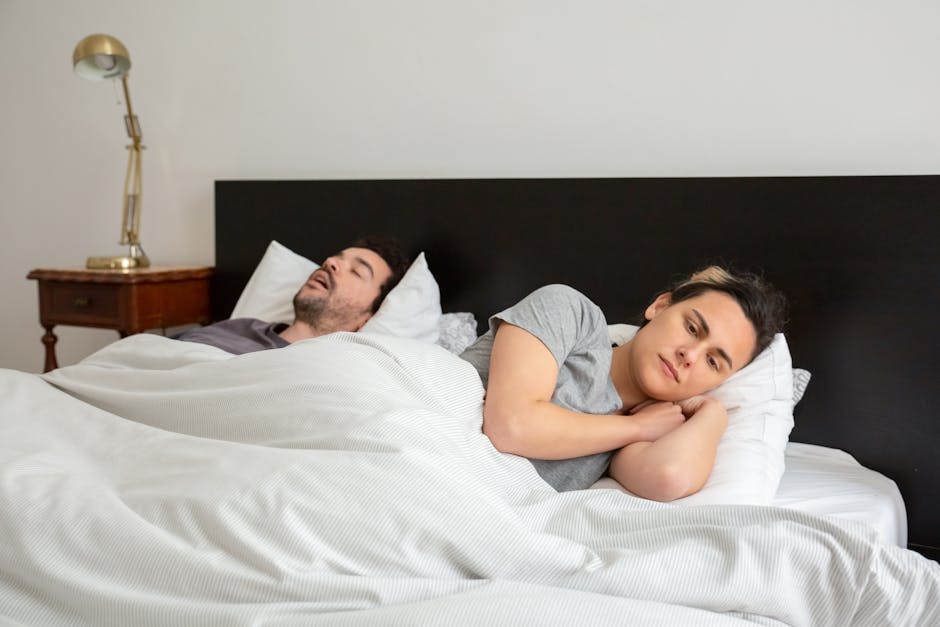
Snoring. That rumbling, rattling, sometimes whistling sound that can disrupt a peaceful night’s sleep. Whether it’s your own snoring or the nightly serenade of a partner, it’s a common problem that affects millions. Fortunately, there are a variety of remedies that can help silence the snores and restore tranquility to the bedroom.
Snoring occurs when the airflow through your nose and throat is partially obstructed during sleep. This obstruction causes the surrounding tissues to vibrate, producing the characteristic snoring sound. Several factors can contribute to snoring, including nasal congestion, the anatomy of your mouth and throat, alcohol consumption, sleep position, and being overweight.
Lifestyle changes can often make a significant difference in reducing or eliminating snoring. Losing weight, if needed, can help open up the airways. Avoiding alcohol and sedatives before bed can also reduce muscle relaxation in the throat, lessening the likelihood of snoring. Regular exercise can improve overall sleep quality and may also contribute to reducing snoring.
Sleeping on your side is generally recommended for snorers. Sleeping on your back allows the tongue to fall back into the throat, further obstructing the airway. Trying a body pillow or placing a tennis ball in the back of your pajamas can help train you to stay on your side.
Over-the-counter nasal strips and dilators can help open up the nasal passages, making breathing easier and potentially reducing snoring. These are particularly helpful if nasal congestion is a contributing factor. Nasal irrigation with saline solution can also help clear out the nasal passages.
For more persistent snoring, anti-snoring mouthpieces or mouthguards can be effective. These devices work by repositioning the jaw and tongue to keep the airway open. While they can take some getting used to, many people find them to be quite helpful.
In more severe cases, medical intervention may be necessary. Continuous positive airway pressure (CPAP) therapy is a common treatment for obstructive sleep apnea, a condition characterized by pauses in breathing during sleep. A CPAP machine delivers a constant stream of air through a mask, keeping the airway open. Surgery is also an option in some cases, but it’s typically considered a last resort.
Finding the right snoring remedy can significantly improve the quality of sleep for both the snorer and their partner. Experimenting with different solutions and consulting with a doctor if necessary can lead to quieter nights and more restful days.
Leave a Reply