
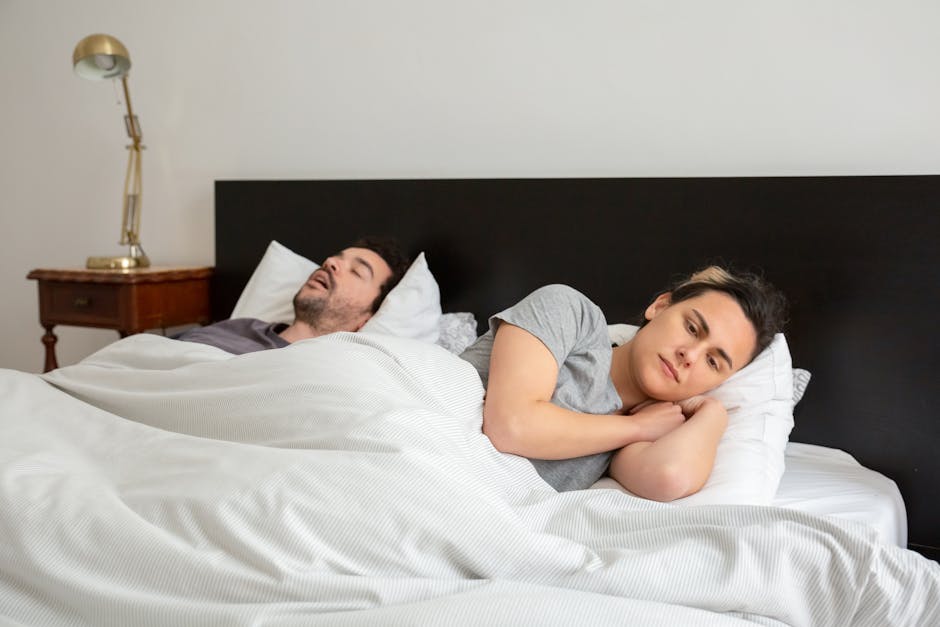
Snoring is a common problem that affects millions of people worldwide. It can disrupt sleep for both the snorer and their partner, leading to daytime fatigue, irritability, and relationship problems. While snoring can sometimes be a symptom of a more serious underlying medical condition, it is often caused by simple factors like sleep position, nasal congestion, or alcohol consumption. Fortunately, there are numerous remedies available to help reduce or eliminate snoring and improve sleep quality.
One of the easiest and most effective ways to stop snoring is to change your sleep position. Sleeping on your back often causes the tongue and soft tissues in the throat to relax and collapse into the airway, leading to vibrations and snoring. Try sleeping on your side instead. You can use a body pillow or place a tennis ball in the back of your pajamas to discourage rolling onto your back.
Nasal congestion is another common culprit behind snoring. When the nasal passages are blocked, it becomes harder to breathe through your nose, forcing you to breathe through your mouth. This can lead to dry mouth and throat, which can exacerbate snoring. Using a saline nasal spray or rinse before bed can help clear the nasal passages and improve airflow.
Alcohol and sedatives can relax the muscles in the throat, increasing the likelihood of snoring. Avoid consuming alcohol or taking sedatives close to bedtime. If you smoke, quitting can also significantly reduce snoring. Smoking irritates the nasal passages and throat, causing inflammation and swelling, which can contribute to snoring.
Maintaining a healthy weight can also have a positive impact on snoring. Excess weight, especially around the neck, can put pressure on the airway, making it more likely to collapse during sleep. Regular exercise and a balanced diet can help you achieve and maintain a healthy weight.
Oral appliances, such as mandibular advancement devices (MADs), are custom-fit devices that help keep the airway open by repositioning the jaw and tongue. These devices can be effective for some individuals, but it's essential to consult with a dentist or sleep specialist to determine if they are right for you.
Continuous positive airway pressure (CPAP) therapy is considered the gold standard for treating obstructive sleep apnea, a condition characterized by repeated pauses in breathing during sleep. While CPAP is highly effective, it involves wearing a mask over the nose and/or mouth, which some people find uncomfortable.
Finally, if your snoring persists despite trying these remedies, it's important to consult with a doctor or sleep specialist. They can help determine the underlying cause of your snoring and recommend appropriate treatment options. Snoring can sometimes be a sign of a more serious medical condition, such as sleep apnea, so it's essential to seek professional advice if necessary.
Leave a Reply