
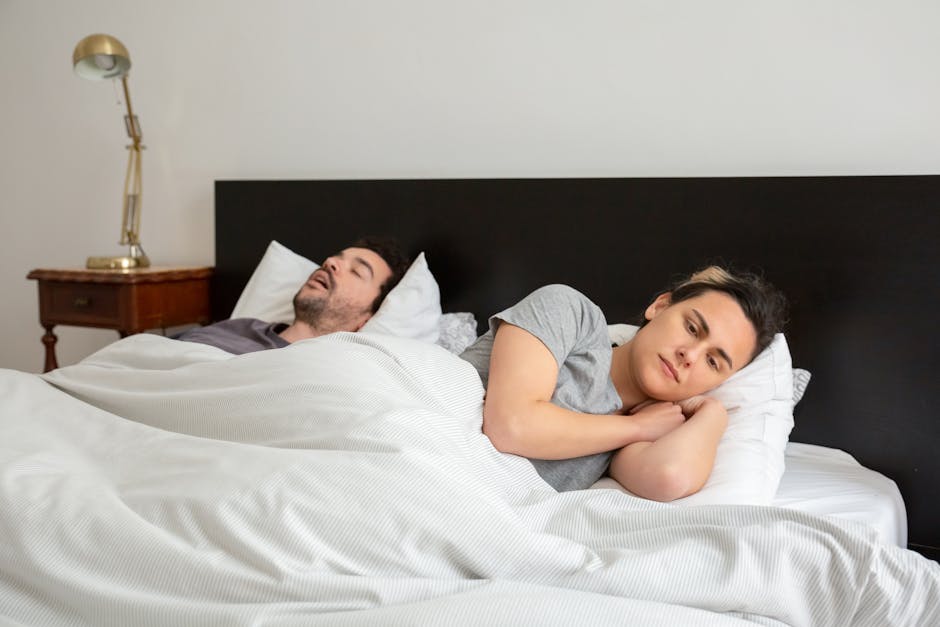
Snoring, that rumbling, sometimes rattling sound that disrupts sleep for both the snorer and their partner, is a common problem. Millions of people experience snoring, and while it can be harmless, it can also be a sign of underlying health issues and a major contributor to sleep deprivation. Fortunately, numerous remedies are available to help quiet the night and promote restful sleep.
Lifestyle changes can often make a significant difference in reducing or eliminating snoring. Maintaining a healthy weight is crucial, as excess weight can contribute to snoring by putting pressure on the airways. Regular exercise can help with weight management and improve overall muscle tone, including the muscles in the throat. Avoiding alcohol and sedatives before bed is also important, as these substances relax the throat muscles, increasing the likelihood of snoring.
Another key lifestyle change is establishing a regular sleep schedule. Adequate sleep is essential for overall health and can also impact snoring. Creating a consistent sleep routine helps regulate the body's natural sleep-wake cycle, promoting better sleep quality. A relaxing bedtime routine can further enhance sleep quality and reduce snoring.
Sleeping position plays a significant role in snoring. Sleeping on your back often exacerbates snoring because gravity pulls the tongue and soft tissues in the throat backward, obstructing the airway. Try sleeping on your side to keep the airway open and reduce snoring. Specialized pillows designed to encourage side sleeping are available and can be helpful.
Over-the-counter remedies can provide relief for some snorers. Nasal strips, which adhere to the bridge of the nose, help widen the nasal passages, improving airflow and reducing snoring caused by nasal congestion. Oral appliances, available at drugstores, can reposition the jaw and tongue, keeping the airway open. These appliances can be effective for some individuals but may require some trial and error to find the right fit.
For more persistent or severe snoring, medical interventions may be necessary. Continuous positive airway pressure (CPAP) therapy is a common treatment for obstructive sleep apnea, a condition characterized by pauses in breathing during sleep. CPAP involves wearing a mask that delivers pressurized air to keep the airway open. Other medical options include surgery to remove excess tissue in the throat or correct structural abnormalities that contribute to snoring.
If snoring is significantly impacting your sleep or your partner's sleep, consulting a doctor is essential. A doctor can evaluate your snoring, determine if any underlying medical conditions are contributing to it, and recommend appropriate treatment options. They can also rule out obstructive sleep apnea, a serious condition that requires medical attention.
By implementing these tips and seeking professional guidance when needed, you can take proactive steps to address snoring, improve sleep quality, and enjoy quieter, more restful nights. Remember, addressing snoring not only benefits your sleep but also contributes to better overall health and well-being.
Leave a Reply