
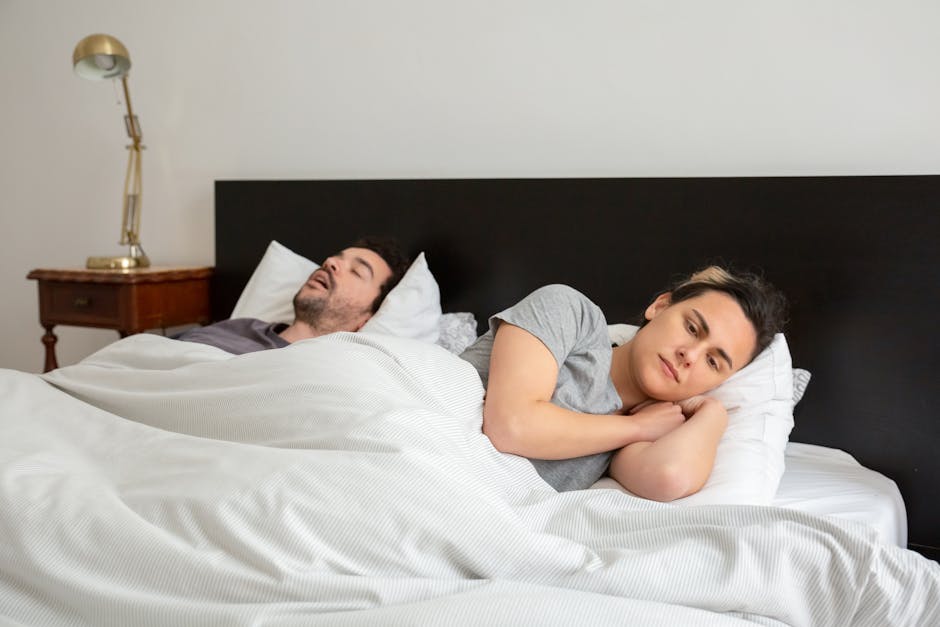
Snoring. That rumbling, rattling sound that can disrupt your sleep and your partner's. It's a common problem, affecting millions of people worldwide. But it's not something you have to live with. There are a variety of snoring remedies available, from simple lifestyle changes to medical interventions, that can help you and your loved ones enjoy a quiet night's rest.
One of the most common causes of snoring is nasal congestion. When your nasal passages are blocked, air is forced through a smaller opening, creating the vibrations that cause snoring. Simple solutions like nasal strips or a saline nasal spray can help open up your airways and reduce snoring. A hot shower before bed can also help clear your sinuses.
Another culprit behind snoring is your sleeping position. Sleeping on your back often allows the tongue and soft tissues in the throat to relax and fall back, obstructing the airway. Try sleeping on your side. You can even sew a tennis ball into the back of your pajamas to discourage back sleeping. A specialized pillow designed to promote side sleeping can also be helpful.
Excess weight can contribute to snoring. Fatty tissue around the neck can put pressure on the airway, making it more likely to collapse during sleep. Losing even a small amount of weight can make a significant difference in reducing snoring. A healthy diet and regular exercise are beneficial for overall health as well.
Alcohol and sedatives relax the throat muscles, making them more prone to collapse and vibrate. Avoiding alcohol and sedatives before bed can help reduce snoring. Smoking also irritates the throat and nasal passages, contributing to inflammation and congestion. Quitting smoking is beneficial for your overall health and can improve snoring.
Staying hydrated is important for overall health and can also help reduce snoring. Dehydration thickens nasal secretions, making it harder for air to flow freely. Drinking plenty of water throughout the day can help keep your nasal passages clear.
If lifestyle changes aren't enough, there are medical devices that can help. Oral appliances, custom-fitted by a dentist, can reposition the jaw and tongue to keep the airway open. Continuous positive airway pressure (CPAP) machines deliver a constant stream of air through a mask, keeping the airway open. While effective, CPAP machines can be cumbersome and take some getting used to.
In some cases, surgery may be an option to correct structural issues that contribute to snoring. This could involve removing excess tissue in the throat or correcting a deviated septum. It's important to discuss the risks and benefits of surgery with your doctor. With so many potential remedies available, there's hope for a quieter, more restful sleep for you and your partner.
Leave a Reply