
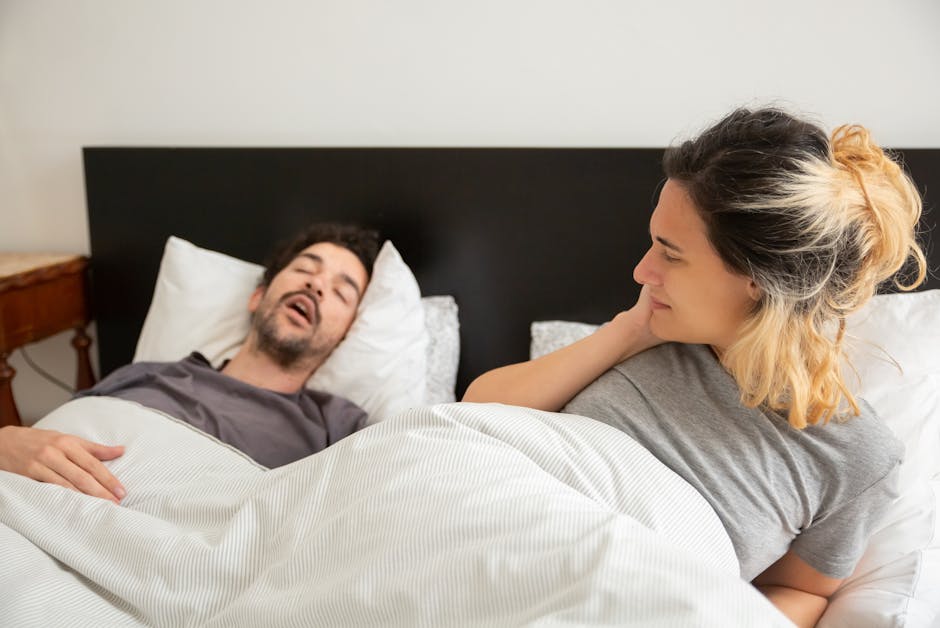
Snoring is a common sleep disorder affecting millions worldwide. It occurs when the airflow through your nose and throat is partially obstructed, causing the surrounding tissues to vibrate and create the characteristic snoring sound. While occasional snoring might not be a cause for concern, habitual snoring can disrupt your sleep and that of your partner, leading to daytime fatigue, irritability, and potential health problems. Fortunately, there are various remedies and solutions available to address this issue.
One of the most effective ways to reduce snoring is to adopt lifestyle changes. Maintaining a healthy weight can significantly impact snoring, as excess weight can put pressure on the throat, narrowing the airway. Regular exercise and a balanced diet can contribute to weight management and improve overall sleep quality. Avoiding alcohol and sedatives before bed is also crucial, as these substances can relax the throat muscles, increasing the likelihood of snoring.
Another contributing factor to snoring is nasal congestion. When your nasal passages are blocked, you're more likely to breathe through your mouth, which can lead to snoring. Using a saline nasal spray or rinse before bed can help clear your nasal passages and improve airflow. Nasal strips, which adhere to the bridge of your nose, can also help widen the nostrils and promote easier breathing.
Sleeping position plays a significant role in snoring. Sleeping on your back can cause the tongue and soft palate to collapse towards the back of the throat, obstructing the airway. Try sleeping on your side to keep the airway open and reduce snoring. Using a body pillow or placing a tennis ball in the back of your pajamas can help you maintain a side sleeping position.
For those seeking more targeted solutions, anti-snoring devices can be helpful. Mandibular advancement devices (MADs) are custom-fit oral appliances that reposition the lower jaw and tongue forward, opening up the airway. Tongue stabilizing devices (TSDs) work by holding the tongue in place to prevent it from falling back and obstructing breathing.
If lifestyle changes and over-the-counter remedies don't provide sufficient relief, consulting a doctor or sleep specialist is essential. They can evaluate your specific situation and recommend appropriate treatment options. A sleep study may be conducted to diagnose any underlying sleep disorders, such as obstructive sleep apnea, which can contribute to snoring.
Continuous positive airway pressure (CPAP) therapy is a common treatment for obstructive sleep apnea and can also be effective for severe snoring. CPAP involves wearing a mask over the nose and/or mouth that delivers a constant stream of air to keep the airway open. While CPAP is highly effective, it may take some time to adjust to wearing the mask.
By exploring these various remedies and solutions, you can take proactive steps towards quieter nights and more restful sleep. Remember that addressing snoring not only improves your sleep quality but also benefits your overall health and the well-being of your partner. If snoring persists despite trying these remedies, consult a healthcare professional to rule out any underlying medical conditions.
Leave a Reply