
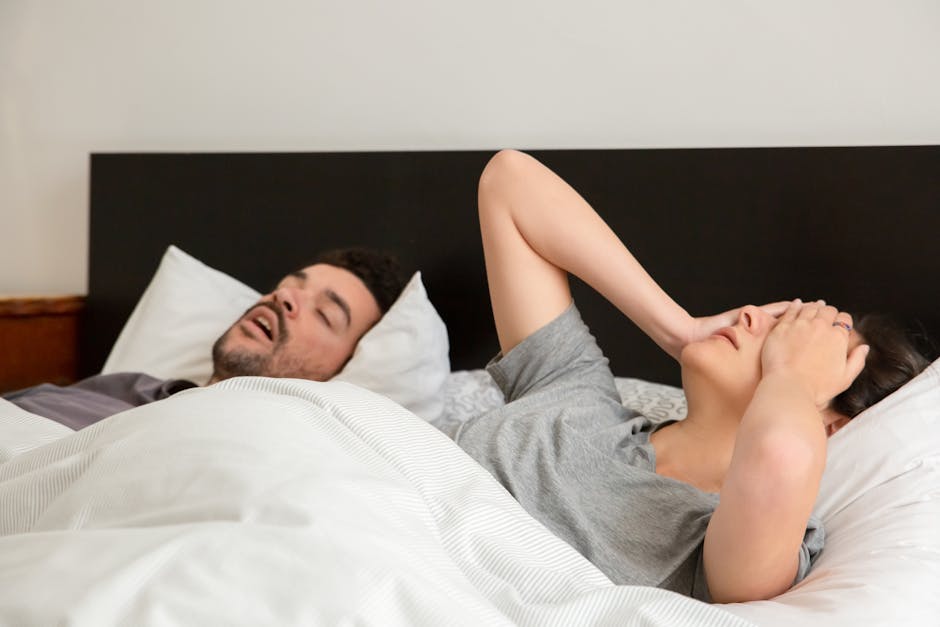
Snoring. That rumbling, rattling, sometimes room-shaking sound that can disrupt the peaceful slumber of anyone within earshot. It's a common problem, affecting millions, and it can range from a gentle purr to a sound resembling a walrus fighting a lawnmower. But before you banish your bed partner to the couch, there are several remedies that might just bring tranquility back to your nights.
One of the most effective solutions for many snorers is changing sleep positions. Sleeping on your back often allows the tongue and soft tissues in the throat to relax and fall back, partially obstructing the airway. Try sleeping on your side. A simple trick is to sew a tennis ball into the back of your pajamas to discourage rolling onto your back.
Maintaining a healthy weight can also significantly impact snoring. Excess weight, especially around the neck, can put pressure on the airway, narrowing it and increasing the likelihood of snoring. A balanced diet and regular exercise can help shed those extra pounds and potentially silence the nighttime symphony.
Alcohol and sedatives relax the throat muscles, which can contribute to snoring. Avoiding these substances, especially close to bedtime, can help keep airways open and breathing quieter. Similarly, smoking irritates the nasal passages and throat, leading to inflammation and increased congestion, which can worsen snoring. Quitting smoking is beneficial for overall health and can also reduce snoring.
Nasal congestion, whether caused by allergies or a cold, can restrict airflow and lead to mouth breathing, increasing the chances of snoring. Using nasal strips or a saline nasal spray can help open up the nasal passages and promote easier breathing. For those with allergies, identifying and avoiding triggers or using allergy medications can provide relief.
Oral appliances, custom-fitted by a dentist, can help reposition the jaw and tongue, keeping the airway open. These appliances can be effective for some individuals, but it's important to consult with a dentist to determine if they are a suitable option. For more severe cases of snoring, especially those related to obstructive sleep apnea, a continuous positive airway pressure (CPAP) machine may be necessary.
While these remedies can be effective for many, it's important to consult with a doctor if snoring is severe, disruptive, or accompanied by other symptoms such as excessive daytime sleepiness or gasping for air during sleep. These could be signs of a more serious condition like obstructive sleep apnea, which requires medical attention.
So, if your nightly serenade is causing more disturbance than delight, try these remedies. You might just find the key to a quieter night and a more harmonious relationship with your bed partner.
Leave a Reply