
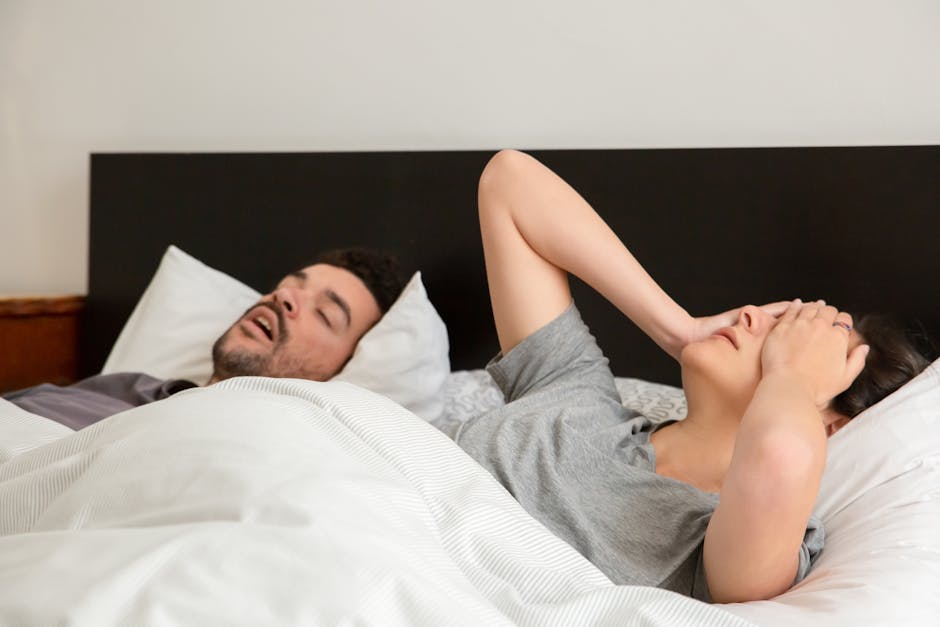
Snoring. That rumbling, rattling sound that can disrupt your sleep and your partner's. It's a common problem, affecting millions of people worldwide. While occasional snoring might not be a cause for concern, chronic snoring can indicate underlying health issues and significantly impact sleep quality. Luckily, there are a variety of remedies and solutions available to help you and your loved ones achieve a quieter, more restful night's sleep.
One of the most effective ways to address snoring is to identify and address lifestyle factors that contribute to the problem. Excess weight, alcohol consumption, and smoking can all exacerbate snoring. Losing weight, even a small amount, can significantly reduce the tissues in the throat that contribute to snoring. Avoiding alcohol and smoking, especially close to bedtime, can also make a noticeable difference.
Sleeping position plays a significant role in snoring. Sleeping on your back often causes the tongue and soft palate to collapse to the back of the throat, obstructing the airway and causing snoring. Try sleeping on your side. A body pillow can help maintain this position throughout the night. Elevating your head slightly with an extra pillow can also help open up the airway.
Staying hydrated is important for overall health, and it can also help reduce snoring. When you're dehydrated, secretions in your nose and throat become thicker and stickier, which can contribute to snoring. Drinking plenty of water throughout the day can help keep these passages clear.
For some people, nasal congestion is a major contributor to snoring. A stuffy nose forces you to breathe through your mouth, which can lead to snoring. Using a saline nasal spray or rinse before bed can help clear nasal passages and improve airflow. Nasal strips can also help open up the nasal passages.
If lifestyle changes and simple remedies aren't enough, there are a number of over-the-counter products designed to help reduce snoring. Anti-snoring mouthpieces, also known as mandibular advancement devices, help keep the airway open by repositioning the jaw. Throat sprays and nasal dilators can also provide some relief.
In some cases, snoring can be a symptom of a more serious underlying condition, such as sleep apnea. Sleep apnea is a sleep disorder characterized by pauses in breathing or shallow breaths during sleep. If your snoring is loud and frequent, accompanied by daytime sleepiness, or if you experience pauses in breathing during sleep, it's crucial to consult a doctor.
Finding the right snoring remedy can take some experimentation. What works for one person might not work for another. By trying different strategies and consulting with a healthcare professional if necessary, you can find a solution that helps you and your partner enjoy peaceful, snore-free sleep.
Leave a Reply