
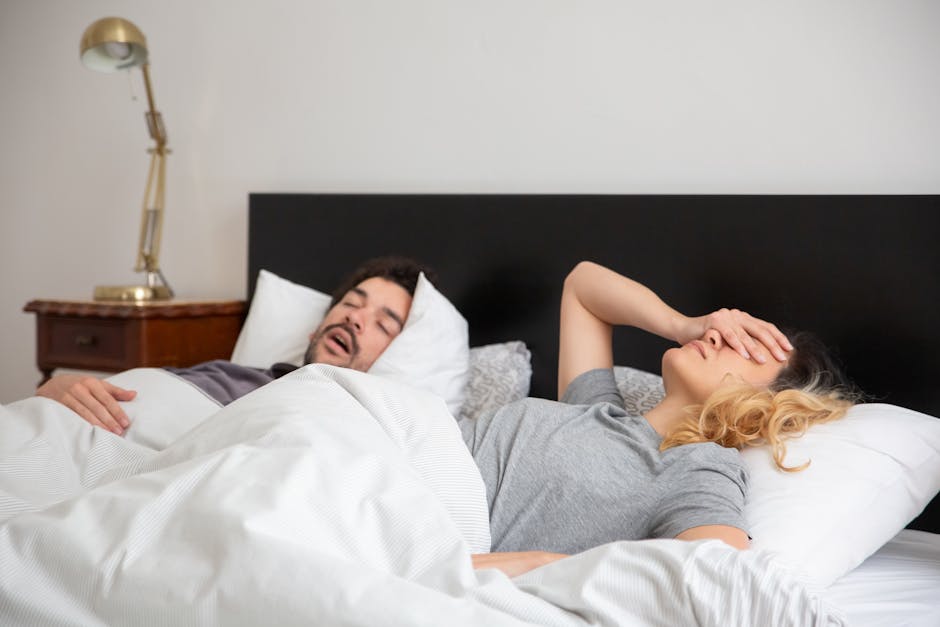
Snoring. That rumbling, rattling sound that can disrupt a peaceful night’s sleep – both yours and anyone within earshot. While it might seem like a minor annoyance, snoring can be a sign of underlying health issues and can significantly impact your quality of life. Fortunately, there are a variety of remedies that can help quiet the night and promote better sleep.
One of the most common causes of snoring is nasal congestion. When your nasal passages are blocked, air is forced through a smaller opening, creating the vibrations that cause snoring. Simple solutions like saline nasal sprays or nasal strips can help open up your airways and reduce snoring. A humidifier can also add moisture to the air, further easing congestion.
If allergies are contributing to your nasal congestion, identifying and addressing the allergens can make a big difference. Dust mites, pet dander, and pollen are common culprits. Regular cleaning, air purifiers, and allergy medications can help alleviate these issues and minimize snoring.
Your sleep position can also play a role in snoring. Sleeping on your back often allows the tongue and soft tissues in the throat to relax and partially obstruct the airway. Try sleeping on your side. A body pillow can help maintain this position throughout the night.
Being overweight can contribute to snoring. Excess weight around the neck can put pressure on the airway, making it more likely to collapse during sleep. Losing even a small amount of weight can sometimes significantly improve snoring.
Certain lifestyle changes can also make a difference. Smoking irritates the nasal passages and throat, increasing inflammation and contributing to snoring. Quitting smoking can improve overall health and reduce snoring. Similarly, limiting alcohol consumption, especially before bed, can help. Alcohol relaxes the throat muscles, increasing the likelihood of snoring.
If simple remedies don't provide relief, it's important to talk to your doctor. Snoring can sometimes be a symptom of more serious conditions like sleep apnea, a disorder characterized by pauses in breathing during sleep. Your doctor can evaluate your snoring and recommend appropriate treatment options.
Getting a good night’s sleep is crucial for overall health and well-being. Don't let snoring rob you of restful sleep. By exploring these remedies and consulting with your doctor if necessary, you can take steps towards quieter nights and more rejuvenating sleep.
Leave a Reply