
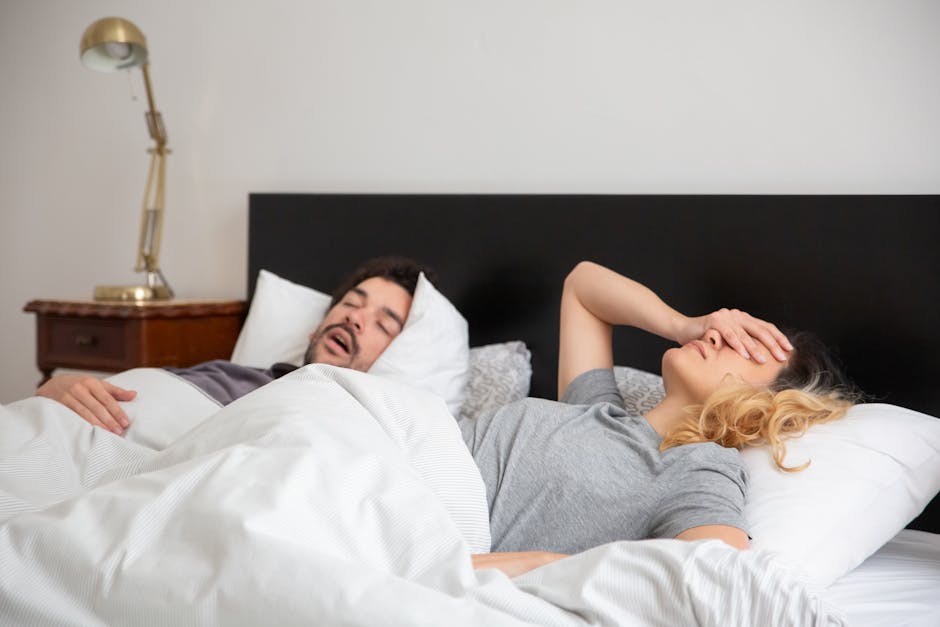
Snoring. That rumbling, sometimes rattling sound that can disrupt your sleep and the sleep of your partner. It's a common problem, affecting millions of people worldwide. While occasional snoring is usually harmless, persistent snoring can be a sign of underlying health issues and can significantly impact the quality of your sleep and your relationship. Fortunately, there are a number of remedies that can help alleviate snoring and restore tranquility to your nights.
One of the most effective ways to reduce snoring is to address lifestyle factors. Maintaining a healthy weight is crucial, as excess weight can put pressure on the airways, contributing to snoring. Regular exercise can help you achieve and maintain a healthy weight, and it also improves overall muscle tone, including the muscles in your throat, which can help keep your airways open. Avoiding alcohol and sedatives before bed is also important, as these substances relax the throat muscles, increasing the likelihood of snoring.
If lifestyle changes aren't enough, there are several other remedies you can try. Nasal strips, available over-the-counter, can help open up your nasal passages, making it easier to breathe and potentially reducing snoring. Oral appliances, custom-fitted by a dentist, can help reposition your jaw and tongue, keeping your airways open. These appliances can be particularly effective for those who snore due to jaw position.
For those with allergies or nasal congestion, addressing these issues can significantly reduce snoring. Nasal sprays or irrigations can help clear nasal passages, while antihistamines can reduce inflammation and congestion. If you suspect allergies are contributing to your snoring, it's best to consult with an allergist to determine the best course of treatment.
Another effective remedy is positional therapy. Snoring is often worse when sleeping on your back, as gravity can cause the tongue and soft tissues in the throat to collapse into the airway. Sleeping on your side can help keep the airways open and reduce snoring. You can try using a body pillow or placing a tennis ball in the back of your pajamas to discourage sleeping on your back.
For persistent snoring that doesn't respond to other remedies, medical interventions may be necessary. Continuous positive airway pressure (CPAP) therapy is a common treatment for obstructive sleep apnea, a condition characterized by pauses in breathing during sleep. CPAP involves wearing a mask that delivers a constant stream of air to keep the airways open. Other medical procedures, such as surgery to remove excess tissue in the throat or palate, may be considered in certain cases.
It's important to remember that snoring can sometimes be a symptom of a more serious underlying health condition, such as sleep apnea. If your snoring is severe, persistent, or accompanied by other symptoms like excessive daytime sleepiness, morning headaches, or difficulty concentrating, it's essential to consult with a doctor. They can evaluate your snoring and determine if further evaluation or treatment is necessary.
Finding the right snoring remedy can significantly improve your sleep quality and your overall health. By exploring these options and consulting with a healthcare professional if needed, you can take steps towards quieter nights and more restful sleep.
Leave a Reply