
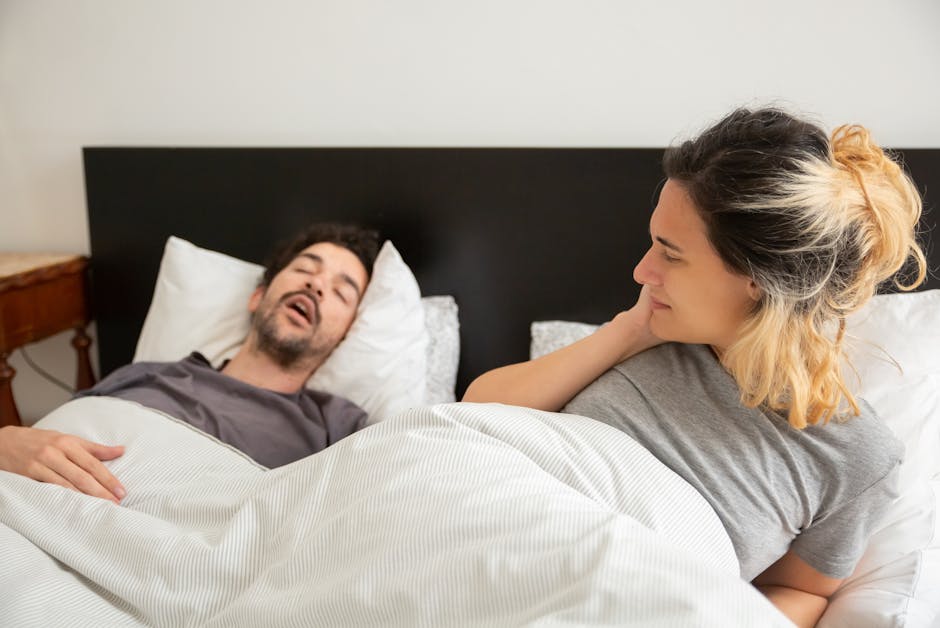
Snoring. That rumbling, sometimes whistling, often disruptive sound that can turn a peaceful night’s sleep into a symphony of frustration. It’s a common problem, affecting millions, and while it can be humorous at times, it can also be a sign of underlying health issues and a major strain on relationships. Luckily, there are a variety of remedies that can help quiet the nightly noise and bring tranquility back to the bedroom.
One of the simplest and most effective remedies is changing your sleep position. Sleeping on your back often exacerbates snoring as gravity pulls the tongue and soft tissues in the throat backward, obstructing the airway. Try sleeping on your side, which can help keep the airway open and reduce snoring. A body pillow can be a helpful tool to maintain this position throughout the night.
Maintaining a healthy weight is also crucial. Excess weight, particularly around the neck, can put pressure on the airway, contributing to snoring. Even a modest weight loss can make a noticeable difference in snoring intensity. Regular exercise and a balanced diet are key components of a healthy weight management plan.
Staying hydrated is another simple yet powerful remedy. Dehydration can thicken nasal secretions, making it harder to breathe and increasing the likelihood of snoring. Drinking plenty of water throughout the day, especially in the hours leading up to bedtime, can help keep nasal passages clear.
Avoiding alcohol and sedatives before bed is also important. These substances relax the throat muscles, which can lead to increased snoring. Nicotine is another culprit, as it irritates the nasal passages and contributes to congestion, further exacerbating snoring.
Nasal strips and dilators are readily available over-the-counter options that can help improve airflow. These adhesive strips gently widen the nostrils, allowing for easier breathing and potentially reducing snoring. Similarly, nasal dilators are small, flexible devices inserted into the nostrils to achieve the same effect.
For more persistent snoring, consider oral appliances. These custom-fitted devices, often resembling mouthguards, help reposition the jaw and tongue, keeping the airway open. While effective for many, they require a consultation with a dentist or sleep specialist.
Finally, if snoring continues despite trying these remedies, it’s essential to consult a doctor. Snoring can sometimes be a symptom of more serious conditions like sleep apnea, a disorder characterized by pauses in breathing during sleep. A healthcare professional can properly diagnose and recommend the most appropriate treatment options, which may include continuous positive airway pressure (CPAP) therapy or other medical interventions.
Leave a Reply