
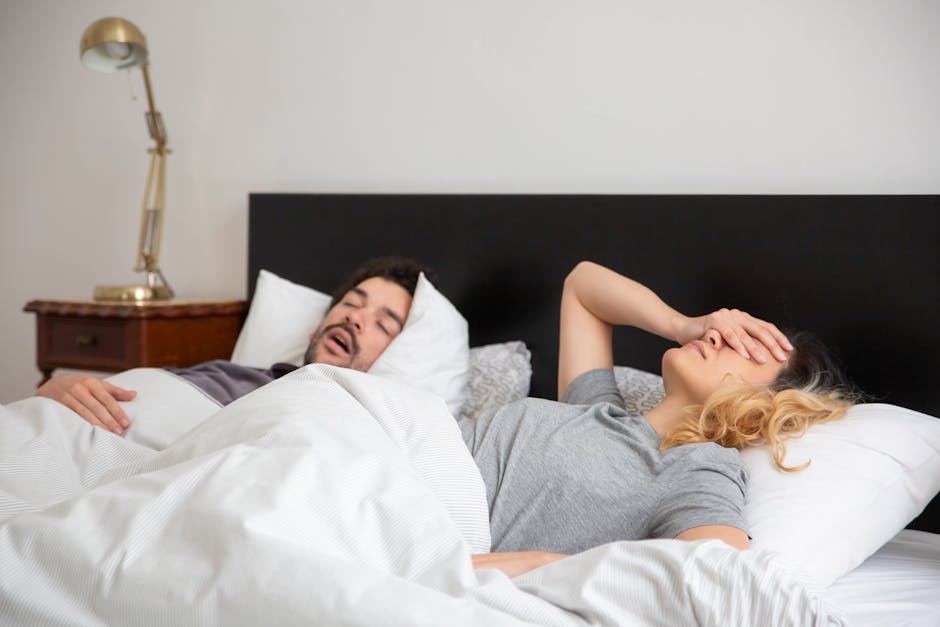
Snoring. That rumbling, guttural sound that can disrupt the tranquility of a night's sleep, not only for the snorer but also for anyone within earshot. While often dismissed as a minor annoyance, snoring can be a symptom of underlying health issues and significantly impact sleep quality. Fortunately, there are a variety of remedies available to help silence the night and promote restful slumber.
One of the most common causes of snoring is nasal congestion. When the nasal passages are blocked, airflow is restricted, leading to vibrations in the soft tissues of the throat. Simple solutions like saline nasal sprays or nasal strips can help open up the airways and reduce snoring. A humidifier can also add moisture to the air, preventing dryness and further congestion.
Lifestyle changes can also play a significant role in reducing snoring. Maintaining a healthy weight is crucial, as excess weight can put pressure on the throat, contributing to snoring. Regular exercise and a balanced diet can help achieve and maintain a healthy weight range. Avoiding alcohol and sedatives before bed is also recommended, as these substances can relax the throat muscles, increasing the likelihood of snoring.
Sleeping position can also influence snoring. Sleeping on your back often exacerbates snoring, as gravity pulls the tongue and soft palate towards the back of the throat, narrowing the airway. Try sleeping on your side to help keep the airway open and reduce snoring. Specialized pillows designed to encourage side sleeping can also be helpful.
For those with more persistent snoring, oral appliances may offer a solution. These devices, custom-fitted by a dentist, help reposition the jaw and tongue, keeping the airway open. While effective, these appliances can be expensive and may take some getting used to.
In some cases, snoring can be a symptom of a more serious condition called obstructive sleep apnea. This condition is characterized by repeated pauses in breathing during sleep, leading to oxygen deprivation and potential long-term health consequences. If you suspect you may have sleep apnea, it's essential to consult a doctor for a proper diagnosis and treatment plan.
Surgical interventions are also available for severe cases of snoring or sleep apnea. These procedures aim to remove or reshape tissues in the throat or nasal passages to improve airflow. While effective, surgery is typically considered a last resort after other remedies have been explored.
Ultimately, finding the right snoring remedy requires a bit of experimentation and, in some cases, professional guidance. By addressing underlying causes and making lifestyle adjustments, you can significantly reduce snoring and achieve a peaceful night's sleep for yourself and your loved ones.
Leave a Reply