
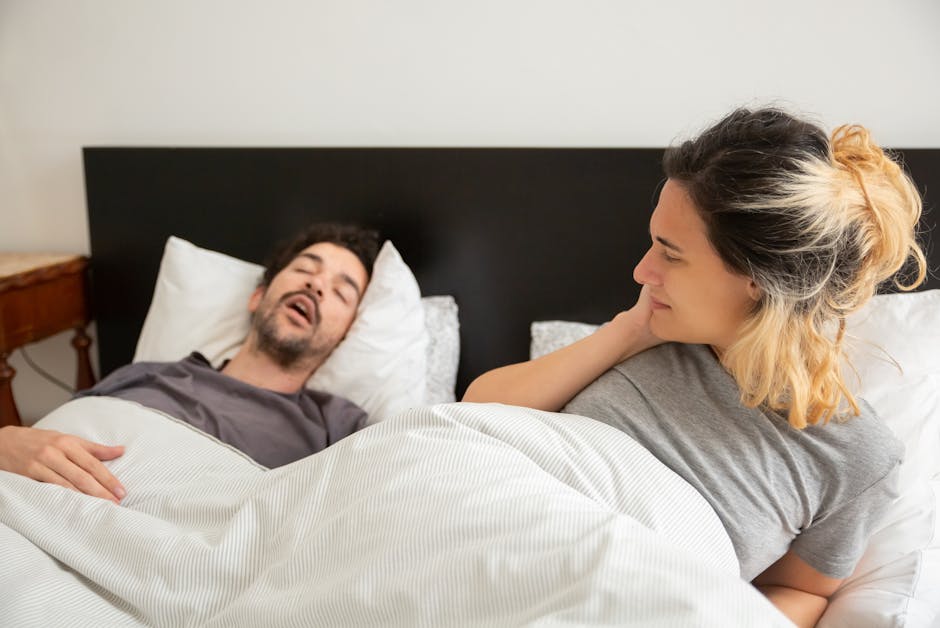
Snoring. That rumbling, rattling, sometimes even roaring sound that can disrupt a peaceful night's sleep – both for the snorer and anyone within earshot. While often treated as a humorous annoyance, snoring can be a sign of underlying health issues and can significantly impact sleep quality. Luckily, there are a number of remedies that can help quiet the nightly noise and promote better rest.
One of the most common culprits behind snoring is nasal congestion. When the nasal passages are blocked, airflow is restricted, leading to vibrations in the soft tissues of the throat. Simple solutions like saline nasal sprays or rinses can help clear congestion and reduce snoring. A humidifier can also add moisture to the air, preventing dryness that can irritate nasal passages.
Lifestyle changes can also play a significant role in reducing snoring. Excess weight can contribute to snoring by adding tissue around the neck and throat, constricting airways. Regular exercise and a healthy diet can help maintain a healthy weight and improve sleep quality. Avoiding alcohol and sedatives before bed can also help, as these substances relax throat muscles, increasing the likelihood of snoring.
Sleeping position can also influence snoring. Sleeping on your back often exacerbates snoring, as gravity pulls the tongue and soft palate back towards the throat, narrowing the airway. Try sleeping on your side, which can help keep the airway open and reduce snoring. Specialized pillows designed to encourage side sleeping are also available.
For more persistent snoring, anti-snoring devices can be an effective solution. Mandibular advancement devices (MADs) are custom-fit devices that reposition the lower jaw forward, opening the airway. Nasal dilators, such as nasal strips or internal nasal valves, can help widen the nasal passages and improve airflow.
In some cases, snoring can be a symptom of a more serious condition called obstructive sleep apnea (OSA). OSA is characterized by repeated pauses in breathing during sleep, which can lead to serious health problems. If you suspect you may have OSA, it’s important to consult a doctor for diagnosis and treatment options, which may include a continuous positive airway pressure (CPAP) machine.
While many remedies can be explored at home, it's always a good idea to consult with a healthcare professional if snoring is significantly impacting your sleep or the sleep of your partner. They can help determine the underlying cause of your snoring and recommend the most appropriate treatment options.
So, whether your snoring is a gentle purr or a full-blown foghorn, there are solutions available to help you and your partner enjoy a quieter, more restful night’s sleep. Don't hesitate to explore the options and reclaim the peaceful slumber you deserve.
Leave a Reply