
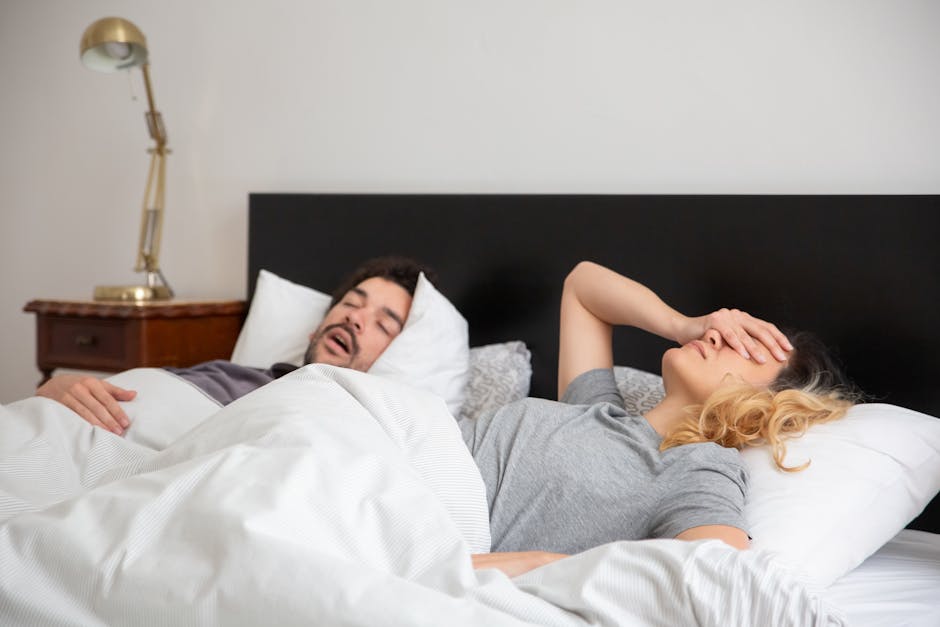
Snoring, that rumbling, rattling sound that disrupts the tranquility of the night, affects millions of people and their partners. It can range from a mild purr to a loud roar, and while it might seem like a minor annoyance, snoring can be a symptom of underlying health issues and a significant impediment to quality sleep. Fortunately, there are numerous remedies available to help silence the night and restore peaceful slumber.
One of the most common causes of snoring is nasal congestion. When the nasal passages are blocked, air is forced through a smaller opening, creating the vibrations that result in snoring. Simple solutions like nasal strips or saline nasal sprays can help open up the airways and reduce snoring. For those with allergies, identifying and addressing the allergens can significantly improve nasal breathing and minimize snoring.
Another contributing factor to snoring is the relaxation of the muscles in the throat. As these muscles relax during sleep, they can partially obstruct the airway, leading to vibrations and snoring. Strengthening these muscles can help maintain an open airway. Singing, playing wind instruments, or performing specific throat exercises can help tone these muscles and reduce snoring.
Lifestyle changes can also play a significant role in reducing snoring. Maintaining a healthy weight is crucial, as excess weight can put pressure on the throat, narrowing the airway. Regular exercise and a balanced diet can help achieve and maintain a healthy weight, thus reducing snoring.
Alcohol and sedatives can also exacerbate snoring. These substances relax the throat muscles even further, increasing the likelihood of airway obstruction and snoring. Limiting alcohol consumption and avoiding sedatives before bed can significantly improve snoring.
Sleeping position can also influence snoring. Sleeping on your back often allows the tongue and soft palate to fall back into the throat, obstructing the airway. Sleeping on your side can help keep the airway open and reduce snoring. Specialized pillows designed to encourage side sleeping can be beneficial.
For persistent and severe snoring, medical intervention may be necessary. Continuous positive airway pressure (CPAP) therapy is a common treatment for obstructive sleep apnea, a condition characterized by pauses in breathing during sleep. A CPAP machine delivers a constant stream of air through a mask, keeping the airway open and preventing snoring. Other medical options include oral appliances and surgical procedures.
Ultimately, finding the right snoring remedy requires identifying the underlying cause. Consulting with a healthcare professional is essential for a proper diagnosis and personalized treatment plan. By addressing the root cause of snoring, individuals can achieve a quieter, more restful sleep for themselves and their partners.
Leave a Reply