
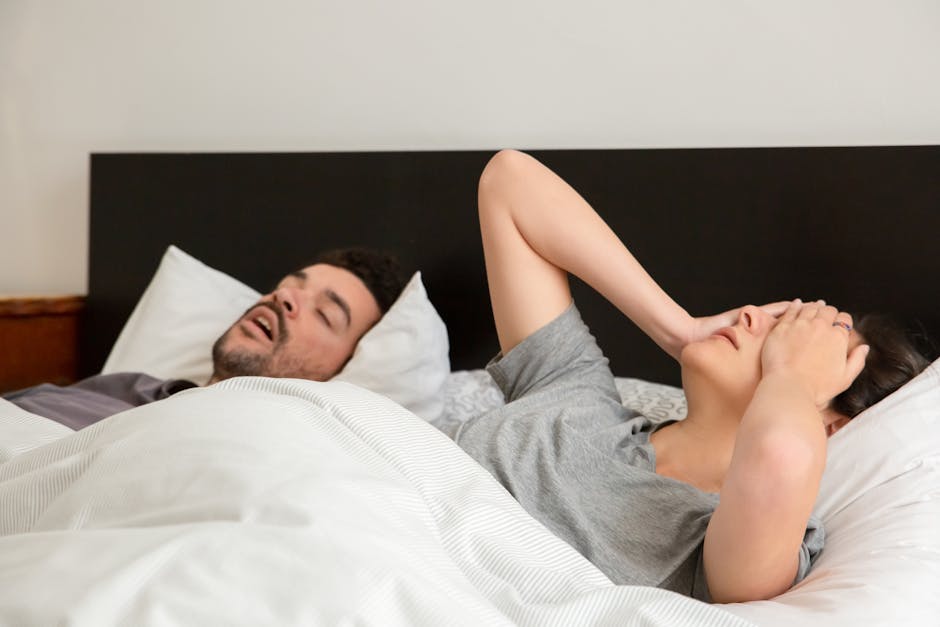
Snoring, that rumbling, sometimes rattling sound that disrupts the tranquility of the night, affects millions of people and their partners. While occasional snoring might be harmless, chronic snoring can be a sign of underlying health issues and significantly impact sleep quality. Fortunately, there are various remedies available to help silence the night and promote restful sleep.
One of the most common causes of snoring is nasal congestion. When the nasal passages are blocked, airflow is restricted, leading to vibrations in the throat tissues that produce the snoring sound. Simple solutions like saline nasal sprays or nasal strips can help open up the airways and reduce snoring. For those with allergies, identifying and avoiding allergens can also significantly improve nasal breathing and minimize snoring.
Another contributing factor to snoring is sleeping position. Sleeping on your back often causes the tongue and soft tissues in the throat to relax and fall back, obstructing the airway. Sleeping on your side can help prevent this and reduce snoring. A simple trick is to sew a tennis ball onto the back of your pajamas to discourage back sleeping. Specialized pillows designed to promote side sleeping are also available.
Maintaining a healthy weight can also play a crucial role in reducing snoring. Excess weight, especially around the neck area, can put pressure on the airways, making it more difficult to breathe freely. Adopting a healthy diet and incorporating regular exercise into your routine can help shed those extra pounds and improve snoring.
Staying hydrated is often overlooked but can be surprisingly effective in reducing snoring. When the body is dehydrated, secretions in the nose and throat become thicker and stickier, contributing to airway obstruction. Drinking plenty of water throughout the day can help thin these secretions and promote clearer breathing.
Certain lifestyle changes can also make a difference. Avoiding alcohol and sedatives before bed can help relax the throat muscles and reduce snoring. Smoking irritates the nasal passages and throat, leading to inflammation and increased snoring. Quitting smoking can significantly improve snoring and overall health.
For persistent snoring that doesn't respond to lifestyle changes, various medical devices and procedures are available. Oral appliances, such as mandibular advancement devices, can help reposition the jaw and tongue to open the airway. Continuous positive airway pressure (CPAP) therapy delivers a constant stream of air through a mask to keep the airway open. In some cases, surgery may be necessary to correct structural abnormalities in the nose or throat that contribute to snoring.
If snoring is affecting your sleep or your partner's sleep, it's important to address the issue. By exploring these remedies and consulting with a healthcare professional if necessary, you can find effective solutions to silence the night and enjoy the benefits of restful, uninterrupted sleep.
Leave a Reply