
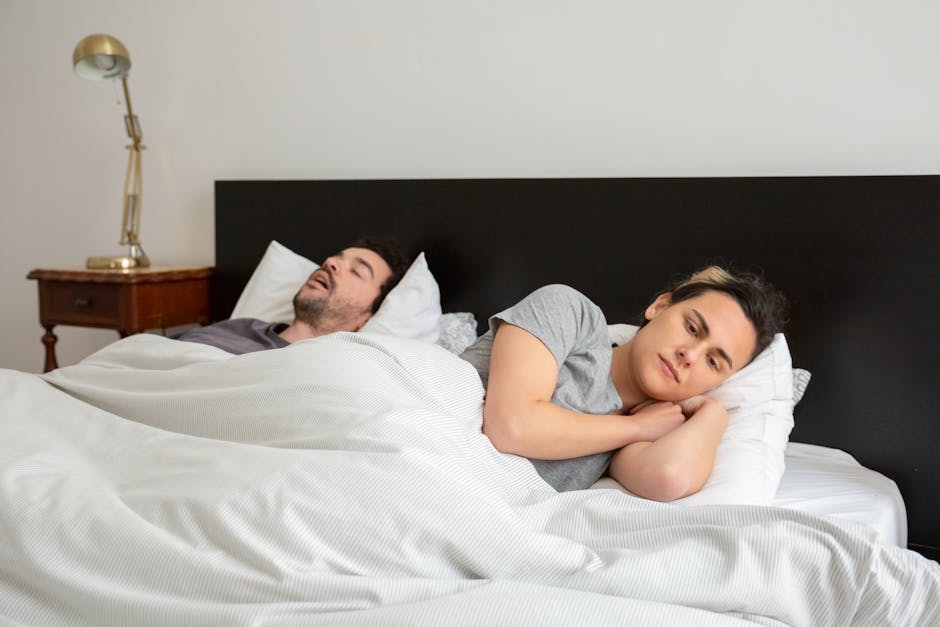
Snoring. That rumbling, sometimes whistling, often disruptive sound that can keep you and your partner up at night. It's a common problem, affecting millions, and while sometimes humorous, it can be a sign of underlying health issues and a significant strain on relationships. Luckily, there’s hope for peaceful nights. Let’s explore some common snoring remedies that might just do the trick.
One of the first things to consider is your sleep position. Sleeping on your back often exacerbates snoring as gravity pulls the tissues in your throat backward, constricting the airway. Try sleeping on your side. A simple body pillow can help maintain this position throughout the night. Elevating your head can also make a difference. Propping yourself up with an extra pillow or two can open up your airways and reduce snoring.
Lifestyle changes can also play a significant role in reducing snoring. If you’re overweight or obese, losing even a small amount of weight can improve your sleep quality. Excess weight around the neck can put pressure on the airway, contributing to snoring. Regular exercise, along with a healthy diet, can contribute to weight loss and overall better sleep.
Smoking irritates the nasal passages and throat, leading to inflammation and increased mucus production, all of which can worsen snoring. Quitting smoking is beneficial not only for reducing snoring but for your overall health as well. Alcohol and certain medications, like muscle relaxants and sedatives, can also relax the throat muscles, contributing to snoring. Limiting alcohol consumption and discussing medication side effects with your doctor can be helpful.
Staying hydrated is often overlooked, but it's crucial for reducing snoring. When you're dehydrated, the secretions in your nose and throat become thicker and stickier, increasing the likelihood of snoring. Drinking plenty of water throughout the day can help keep these passages clear.
For some, nasal congestion is a primary culprit behind snoring. A stuffy nose forces you to breathe through your mouth, which can lead to snoring. Using a saline nasal spray or rinse before bed can help clear nasal passages and improve airflow. Nasal strips, which adhere to the outside of your nose, can also help widen the nostrils and improve breathing.
If over-the-counter remedies and lifestyle changes aren't providing relief, there are other options to explore. Oral appliances, custom-fitted by a dentist, can help reposition the jaw and tongue, keeping the airway open. Continuous positive airway pressure (CPAP) therapy is another option, particularly for individuals with sleep apnea. A CPAP machine delivers a constant stream of air through a mask, keeping the airway open and preventing snoring.
Finally, if you’ve tried various remedies and are still struggling with snoring, it’s essential to consult with a doctor or sleep specialist. Snoring can sometimes be a symptom of underlying medical conditions like sleep apnea, nasal polyps, or a deviated septum. A proper diagnosis and treatment plan can significantly improve your sleep quality and overall health.
Leave a Reply