
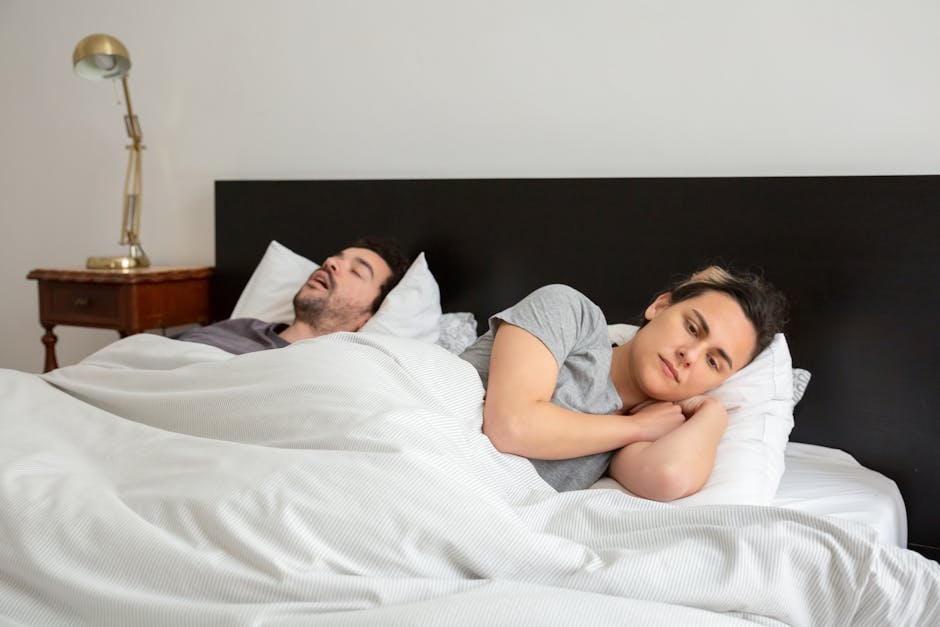
Snoring is a common sleep disorder that affects millions of people worldwide. It occurs when the airflow through your nose and throat is partially obstructed during sleep, causing the surrounding tissues to vibrate and create the characteristic snoring sound. While occasional snoring may not be a cause for concern, habitual snoring can disrupt your sleep, lead to daytime fatigue, and even strain relationships. Fortunately, there are several remedies and solutions that can help reduce or eliminate snoring.
One of the simplest and most effective remedies is changing your sleep position. Sleeping on your back often exacerbates snoring as gravity pulls the tongue and soft tissues in the throat backward, further obstructing the airway. Try sleeping on your side, which can help keep the airway open and reduce snoring. Using a body pillow or placing a tennis ball in the back of your pajamas can help you maintain a side sleeping position.
Maintaining a healthy weight can also significantly impact snoring. Excess weight, especially around the neck and throat, can compress the airway, making it more likely to collapse during sleep. Losing even a small amount of weight through regular exercise and a balanced diet can often improve snoring symptoms.
Staying hydrated is another crucial factor in reducing snoring. Dehydration can thicken nasal secretions, making it harder for air to flow freely. Drinking plenty of water throughout the day, especially before bed, can help keep nasal passages clear and minimize snoring.
Avoiding alcohol and sedatives before bed is also essential. These substances relax the muscles in the throat, increasing the likelihood of airway obstruction and snoring. If you snore regularly, try limiting your alcohol intake and avoiding sedatives close to bedtime.
Nasal congestion can contribute to snoring by restricting airflow through the nose. Using a saline nasal spray or rinse before bed can help clear nasal passages and improve breathing, potentially reducing snoring. Nasal strips, which adhere to the bridge of the nose and widen the nostrils, can also offer some relief.
For more persistent snoring, oral appliances can be an effective solution. These devices, custom-fitted by a dentist, help reposition the jaw and tongue, keeping the airway open during sleep. While they can be expensive, oral appliances are often successful in reducing or eliminating snoring.
If other remedies fail, continuous positive airway pressure (CPAP) therapy may be necessary. CPAP involves wearing a mask over the nose or nose and mouth during sleep. The mask delivers a constant stream of air pressure, keeping the airway open and preventing snoring. While CPAP is highly effective, it can take some getting used to, and some people find it uncomfortable. Consulting with a sleep specialist can help determine the best course of treatment for your snoring.
Leave a Reply