
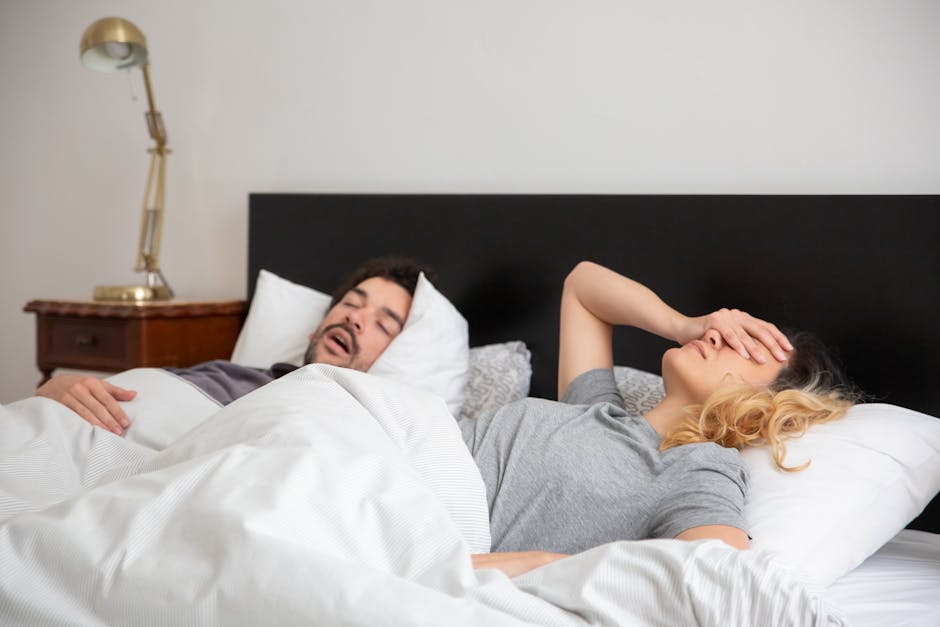
Snoring is a common problem that affects millions of people worldwide. It can disrupt sleep for both the snorer and their partner, leading to daytime fatigue, irritability, and relationship problems. While occasional snoring may not be a cause for concern, chronic snoring can be a sign of a more serious underlying health issue, such as sleep apnea. Thankfully, there are a number of remedies and solutions available to help reduce or eliminate snoring.
One of the most effective ways to stop snoring is to address any underlying lifestyle factors that may be contributing to the problem. Being overweight or obese can put extra pressure on the airways, making snoring more likely. Losing even a small amount of weight can significantly reduce snoring. Similarly, smoking irritates the nasal passages and throat, leading to inflammation and increased mucus production, which can exacerbate snoring. Quitting smoking is beneficial for overall health and can also help reduce snoring.
Alcohol consumption, especially close to bedtime, relaxes the throat muscles, making them more likely to collapse and obstruct airflow. Avoiding alcohol before bed can help prevent snoring. Sleeping position also plays a role in snoring. Sleeping on your back can cause the tongue to fall back into the throat, obstructing the airway. Try sleeping on your side to reduce snoring. Using extra pillows to elevate your head can also help.
Maintaining good sleep hygiene can improve sleep quality and reduce snoring. Establish a regular sleep schedule, going to bed and waking up at the same time each day, even on weekends. Create a relaxing bedtime routine to help you wind down before sleep. Make sure your bedroom is dark, quiet, and cool. Avoid caffeine and nicotine before bed.
Several over-the-counter remedies can help reduce snoring. Nasal strips can help open up the nasal passages, making it easier to breathe. Throat sprays and lubricants can help keep the throat moist and reduce vibrations that cause snoring. Oral appliances, such as mandibular advancement devices, can help keep the airway open by moving the lower jaw forward.
If lifestyle changes and over-the-counter remedies are not effective, it may be necessary to consult a doctor. A doctor can evaluate your snoring and determine if there is an underlying medical condition, such as sleep apnea. They may recommend a sleep study to diagnose sleep apnea. Treatment for sleep apnea may include continuous positive airway pressure (CPAP) therapy, which uses a machine to deliver air pressure to the airways to keep them open.
In some cases, surgery may be an option to address anatomical issues that contribute to snoring. Surgical procedures, such as uvulopalatopharyngoplasty (UPPP) or laser-assisted uvulopalatoplasty (LAUP), can remove excess tissue in the throat or reshape the nasal passages to improve airflow. However, surgery is typically considered a last resort after other treatments have been unsuccessful.
By addressing lifestyle factors, trying over-the-counter remedies, and consulting a doctor if necessary, you can take steps to reduce or eliminate snoring and improve your sleep quality and overall health. Remember to be patient and persistent, as it may take time to find the right solution for your individual needs.
Leave a Reply