
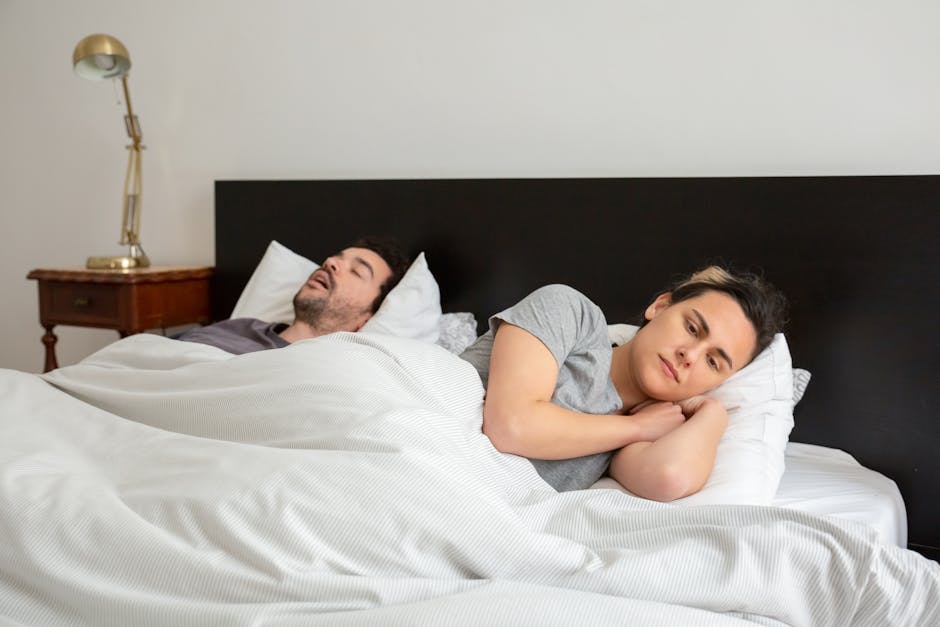
Snoring, that rumbling, sometimes rattling sound that disrupts sleep for both the snorer and their bed partner, is a common problem. It affects millions of people worldwide and can range from a mild annoyance to a sign of a more serious underlying health condition. While occasional snoring might be harmless, chronic snoring can lead to daytime fatigue, relationship problems, and even health risks. Luckily, there are a variety of remedies available to help silence the night and promote better sleep.
One of the most effective ways to address snoring is to identify and address lifestyle factors that contribute to the problem. Excess weight, alcohol consumption, and smoking can all exacerbate snoring. Losing weight, even a small amount, can open up the airways and reduce snoring. Avoiding alcohol and cigarettes, especially close to bedtime, can also significantly decrease snoring episodes.
Sleeping position plays a crucial role in snoring. Sleeping on your back often allows the tongue and soft tissues in the throat to relax and fall back, obstructing the airway. Try sleeping on your side. A simple trick is to sew a tennis ball into the back of your pajamas to discourage back sleeping. Elevating your head with an extra pillow can also help keep the airways open.
Maintaining good nasal hygiene is essential for clear breathing and can often reduce snoring. If allergies or congestion are contributing to your snoring, consider using a saline nasal spray or rinse before bed to clear the nasal passages. Nasal strips, which gently widen the nostrils, can also improve airflow and minimize snoring.
For those who find over-the-counter remedies insufficient, several medical devices are available to help manage snoring. Mandibular advancement devices (MADs) are custom-fit oral appliances that reposition the lower jaw and tongue forward, opening the airway. Continuous positive airway pressure (CPAP) machines deliver a constant stream of air through a mask, keeping the airway open and preventing snoring.
If lifestyle changes and over-the-counter solutions don't provide relief, it's important to consult a doctor. Snoring can sometimes be a symptom of obstructive sleep apnea, a serious condition in which breathing repeatedly stops and starts during sleep. A doctor can diagnose sleep apnea and recommend appropriate treatment options.
While some snoring remedies offer immediate relief, others require consistent use to see results. Don't be discouraged if one method doesn't work for you. Experiment with different approaches and combinations of remedies to find what works best. Keeping a sleep diary can help you track your snoring patterns and identify triggers.
By addressing lifestyle factors, exploring over-the-counter options, and seeking professional medical advice when necessary, you can take proactive steps to silence the snore and enjoy restful, peaceful sleep for yourself and your loved ones. A good night’s sleep is crucial for overall health and well-being, so don't let snoring stand in your way.
Leave a Reply