
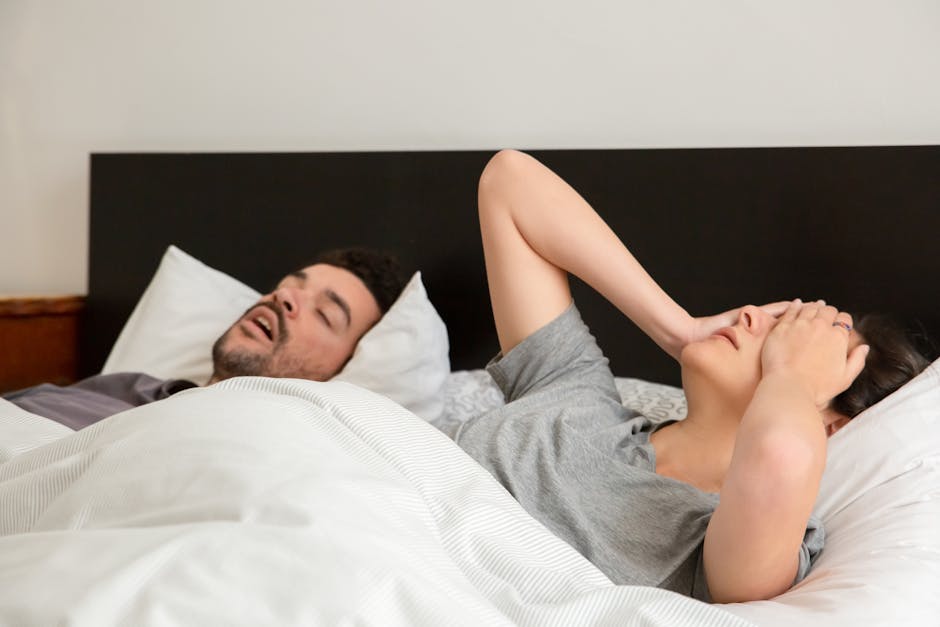
Snoring is a common problem that affects millions of people worldwide. It can disrupt sleep for both the snorer and their partner, leading to daytime fatigue, irritability, and relationship problems. While snoring can sometimes be a symptom of a more serious underlying condition, in many cases it's simply caused by the relaxation of the throat muscles during sleep. Fortunately, there are a number of effective remedies that can help reduce or eliminate snoring.
One of the most common causes of snoring is nasal congestion. When the nasal passages are blocked, it becomes more difficult to breathe through your nose, forcing you to breathe through your mouth. This can lead to the vibration of the soft tissues in the throat, resulting in snoring. Using a saline nasal spray or nasal strips can help to open up the nasal passages and improve airflow, reducing the likelihood of snoring.
Another effective remedy for snoring is to change your sleeping position. Sleeping on your back can cause the tongue to fall back into the throat, obstructing the airway and causing snoring. Try sleeping on your side instead. You can use a pillow or a special body pillow to help maintain this position throughout the night.
Maintaining a healthy weight can also make a significant difference in reducing snoring. Excess weight, especially around the neck area, can put pressure on the airway, making it more likely to collapse during sleep. Losing even a small amount of weight can help to improve airflow and reduce snoring.
Staying hydrated is important for overall health, and it can also help with snoring. When you're dehydrated, the secretions in your nose and throat become thicker and stickier, which can contribute to snoring. Drinking plenty of water throughout the day can help to keep these secretions thin and less likely to obstruct the airway.
Avoiding alcohol and sedatives before bed can also be beneficial. These substances relax the muscles in the throat, making it more likely that they will vibrate and cause snoring. Try to avoid consuming alcohol or sedatives for at least a few hours before going to bed.
Regular exercise can help to strengthen the muscles in the throat and improve overall respiratory function. This can be particularly helpful for people who snore due to weak throat muscles. Aim for at least 30 minutes of moderate-intensity exercise most days of the week.
If you've tried these remedies and are still experiencing significant snoring, it's important to consult with a doctor. Snoring can sometimes be a symptom of a more serious underlying condition, such as sleep apnea. A doctor can evaluate your snoring and determine if further treatment is necessary.
Leave a Reply