
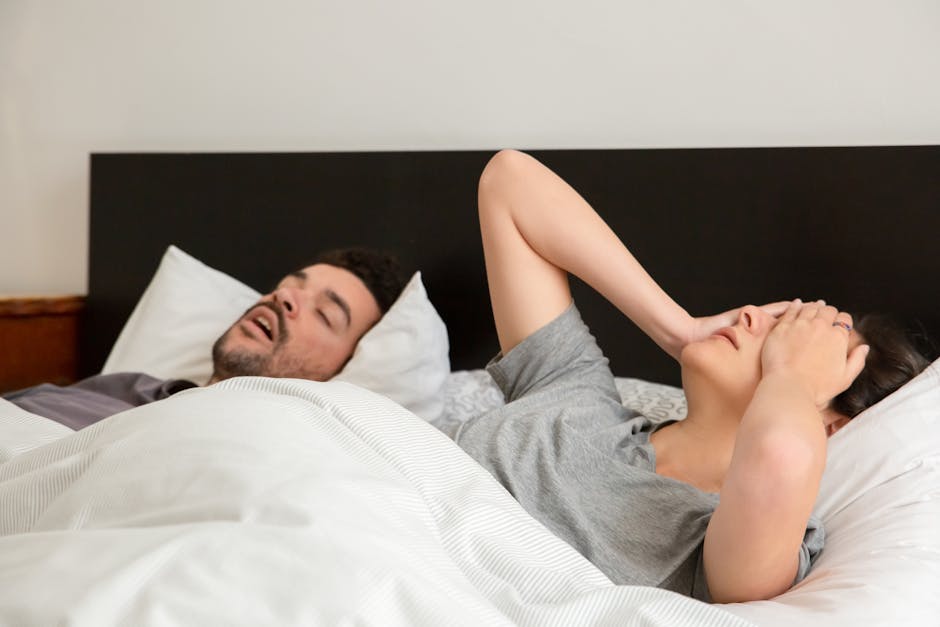
Snoring, that rumbling, sometimes rattling sound that disrupts the peace of the night, affects millions of people and their partners. It occurs when the airflow through your nose and throat is partially obstructed, causing the surrounding tissues to vibrate. While occasional snoring may not be cause for concern, habitual snoring can signal underlying health issues and significantly impact sleep quality. Fortunately, numerous remedies can help alleviate snoring and promote better sleep.
Lifestyle changes can often make a noticeable difference in snoring frequency and intensity. Maintaining a healthy weight is crucial, as excess weight can put pressure on the airways. Regular exercise can improve muscle tone and contribute to weight management. Avoiding alcohol and sedatives before bed is also important, as these substances relax throat muscles, increasing the likelihood of snoring. Establishing a consistent sleep schedule helps regulate your body's natural sleep-wake cycle, promoting better sleep overall.
Sleeping on your side can be a simple yet effective way to reduce snoring. This position helps keep the airways open and prevents the tongue from falling back and obstructing airflow. Specialized pillows designed to encourage side sleeping are available and can be a helpful tool. Elevating the head of the bed by a few inches can also help open the airways and minimize snoring.
Staying hydrated is essential for overall health and can also help reduce snoring. Dry nasal passages can contribute to snoring, so drinking plenty of fluids throughout the day keeps the mucous membranes moist and reduces congestion. Using a humidifier in the bedroom can also add moisture to the air, further alleviating dryness.
Nasal strips and dilators are readily available over-the-counter remedies that can help improve airflow through the nose. These adhesive strips gently widen the nasal passages, making it easier to breathe. Internal nasal dilators, small devices inserted into the nostrils, can also help open the airways. These options can be particularly beneficial for individuals who experience snoring due to nasal congestion.
Oral appliances, custom-fitted by a dentist, can help reposition the jaw and tongue, preventing them from obstructing the airway during sleep. These devices can be effective for various types of snoring, including that caused by obstructive sleep apnea. While more expensive than other remedies, oral appliances can offer a long-term solution for many snorers.
For persistent and severe snoring, medical intervention might be necessary. Continuous positive airway pressure (CPAP) therapy is a common treatment for obstructive sleep apnea, delivering a constant stream of air through a mask to keep the airways open. Surgical procedures, such as uvulopalatopharyngoplasty (UPPP) or tonsillectomy, can also be considered in certain cases to remove excess tissue or correct structural abnormalities that contribute to snoring.
If snoring is significantly impacting your sleep or the sleep of your partner, consulting a healthcare professional is essential. They can help determine the underlying cause of your snoring and recommend the most appropriate treatment plan. Addressing snoring not only improves sleep quality but also contributes to overall health and well-being.
Leave a Reply