
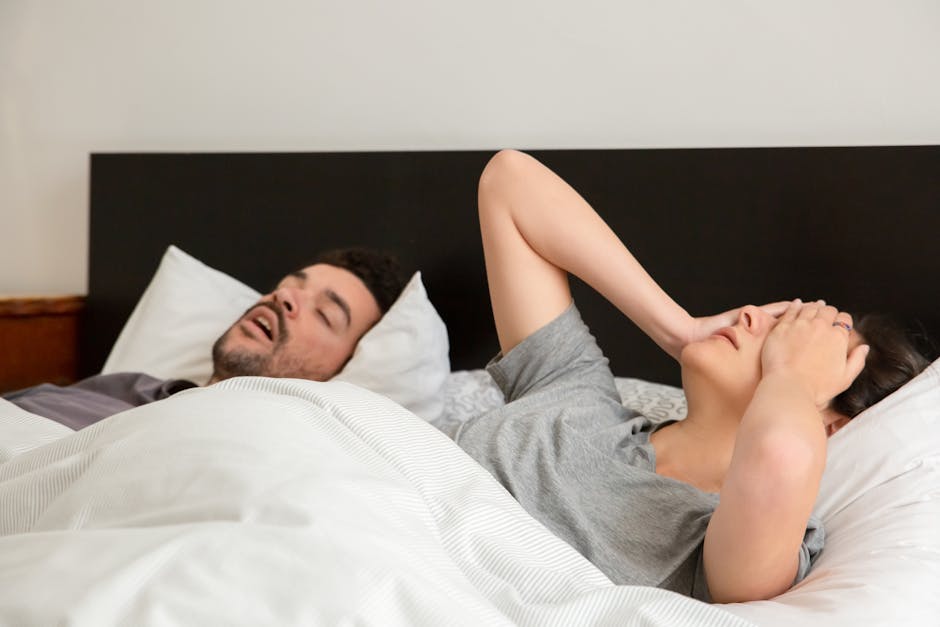
Snoring. That rumbling, sometimes rattling sound that can disrupt your sleep and the sleep of your partner. It’s a common problem, affecting millions of people worldwide. But what causes it, and more importantly, what can you do to stop it? This post explores some effective snoring remedies that can help you and your loved ones enjoy a quieter, more restful night.
Snoring occurs when the airflow through your nose and throat is obstructed during sleep. This obstruction causes the surrounding tissues to vibrate, creating the characteristic snoring sound. Several factors can contribute to this obstruction, including the anatomy of your mouth and sinuses, alcohol consumption, allergies, and sleep position.
One of the simplest remedies to try is changing your sleep position. Sleeping on your back often exacerbates snoring. Try sleeping on your side. You can use a body pillow or even sew a tennis ball into the back of your pajamas to discourage rolling onto your back. Elevating your head can also help to open up your airways and reduce snoring.
Maintaining a healthy weight can significantly impact snoring. Excess weight, especially around the neck, can put pressure on the airways, making it more difficult for air to flow freely. Even a modest weight loss can make a noticeable difference in reducing snoring.
Staying hydrated is crucial for overall health, and it can also help with snoring. Dehydration can thicken nasal secretions, making it harder to breathe and increasing the likelihood of snoring. Aim to drink plenty of water throughout the day.
Certain lifestyle changes can also play a role in reducing snoring. Avoiding alcohol and sedatives before bed can help relax the throat muscles and prevent airway obstruction. If you smoke, quitting can significantly improve snoring, as smoking irritates the nasal passages and throat.
For allergy sufferers, managing allergies can be key to reducing snoring. Allergens can cause inflammation in the nasal passages, leading to congestion and increased snoring. Over-the-counter or prescription allergy medications can help alleviate these symptoms.
If lifestyle changes and home remedies aren't providing sufficient relief, several other options are available. Nasal strips can help open up the nasal passages, while oral appliances can reposition the jaw and tongue to improve airflow. In some cases, surgery may be necessary to correct structural issues in the nose or throat that contribute to snoring. Consult with a healthcare professional to determine the best course of action for your specific situation.
Leave a Reply