
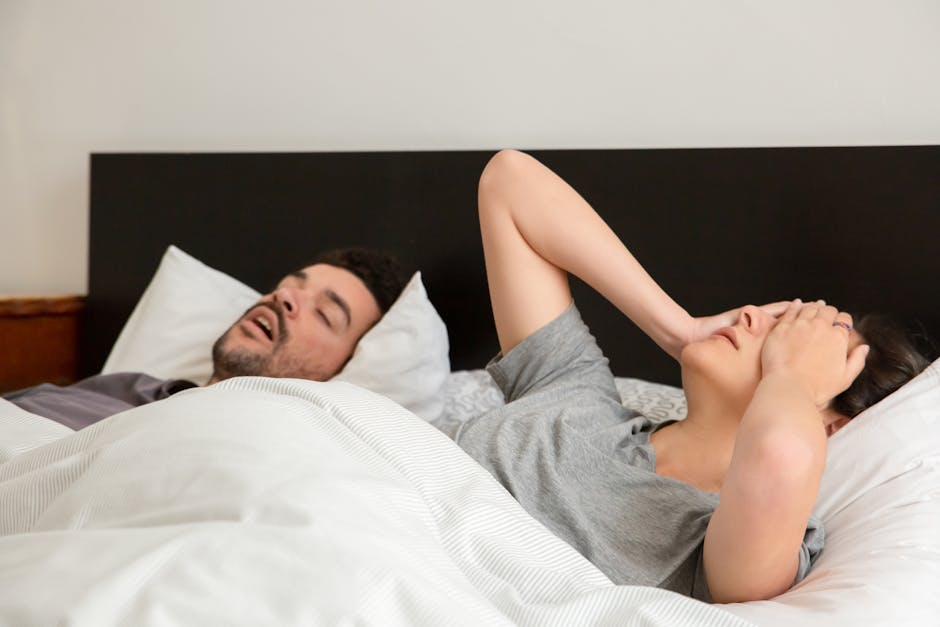
Snoring. That rumbling, sometimes whistling sound that can disrupt your sleep and your partner's. It's a common problem, affecting millions of people worldwide. While occasional snoring isn't usually a cause for concern, chronic snoring can be a sign of a more serious underlying health issue and can significantly impact the quality of your sleep. Luckily, there are a number of effective remedies and lifestyle changes you can implement to quiet the night and enjoy restful slumber.
One of the most common causes of snoring is nasal congestion. When your nasal passages are blocked, air is forced through a smaller opening, creating the vibrations that cause snoring. Using a saline nasal spray or rinse before bed can help clear your nasal passages and reduce snoring. Similarly, nasal strips, which adhere to the bridge of your nose, can help widen the nasal passages and improve airflow.
Another contributing factor to snoring is sleeping position. Sleeping on your back often leads to the tongue falling back into the throat, obstructing the airway. Try sleeping on your side. A simple trick is to sew a tennis ball into the back of your pajamas to discourage back sleeping. Specialized pillows designed to promote side sleeping are also available.
Excess weight can also contribute to snoring. Fatty tissue around the neck can put pressure on the airway, making it narrower. Even a modest weight loss can significantly reduce snoring. Regular exercise and a healthy diet are key to maintaining a healthy weight and improving overall health, which can have a positive impact on snoring.
Alcohol and certain medications, such as sedatives and muscle relaxants, can relax the throat muscles, increasing the likelihood of snoring. Limiting alcohol consumption and discussing medication side effects with your doctor can help mitigate snoring related to these substances.
Maintaining good sleep hygiene can also play a role in reducing snoring. Establishing a regular sleep schedule, creating a relaxing bedtime routine, and ensuring your bedroom is dark, quiet, and cool can promote better sleep quality and potentially lessen snoring.
If you've tried various remedies and lifestyle changes without success, it's important to consult a doctor. Snoring can sometimes be a symptom of sleep apnea, a serious sleep disorder characterized by pauses in breathing during sleep. A doctor can diagnose sleep apnea and recommend appropriate treatment options, such as a continuous positive airway pressure (CPAP) machine.
Addressing snoring can significantly improve your sleep quality and your overall health. By implementing these remedies and tips, you can take steps towards quieter nights and more restful sleep for both you and your partner. Remember to consult with a healthcare professional if your snoring is severe or persistent, as it may indicate an underlying medical condition.
Leave a Reply