
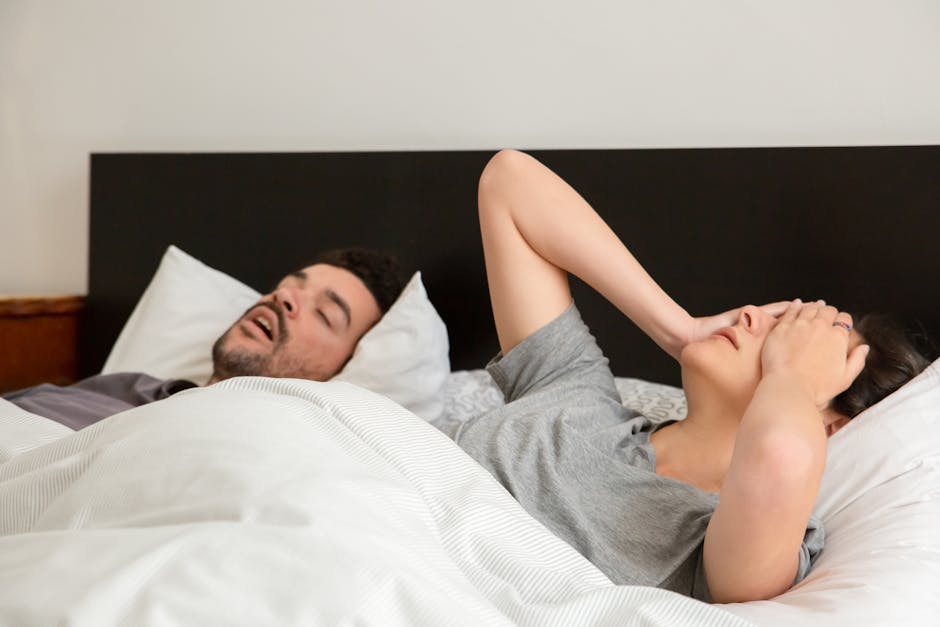
Snoring. That rumbling, sometimes rattling sound that can disrupt your sleep and your partner's. It's a common problem, affecting millions worldwide, and while it can sometimes be a humorous topic, it can also signal underlying health issues and contribute to relationship strain. Thankfully, there are numerous remedies and solutions available to help you and your loved ones achieve a quieter, more restful night's sleep.
Before diving into remedies, it's important to understand what causes snoring. Snoring occurs when the airflow through your nose and throat is partially obstructed during sleep. This obstruction causes the surrounding tissues to vibrate, creating the characteristic snoring sound. Several factors can contribute to this obstruction, including the anatomy of your mouth and sinuses, alcohol consumption, allergies, colds, and being overweight.
Lifestyle changes can often make a significant difference in reducing or eliminating snoring. Maintaining a healthy weight through diet and exercise can help keep your airways open. Avoiding alcohol and sedatives before bed can also improve airflow. If allergies are contributing to your snoring, consider using an antihistamine or nasal decongestant before sleep, or addressing the underlying allergy triggers in your environment.
Sleeping on your side can also help to reduce snoring. This position helps to keep your tongue and soft palate from collapsing into the back of your throat, which can obstruct airflow. You can try using a body pillow or special pillows designed to encourage side sleeping. Elevating your head slightly with an extra pillow can also help to open up your airways and reduce snoring.
For more targeted solutions, several over-the-counter products are available. Nasal strips can help to widen the nasal passages, improving airflow. Throat sprays and lubricants can help to keep the tissues in your throat moist, reducing vibrations. Oral appliances, also known as mandibular advancement devices, can be fitted by a dentist and help to keep your airway open by repositioning your jaw.
If over-the-counter remedies and lifestyle changes aren't providing sufficient relief, it's important to consult with a doctor. Snoring can sometimes be a symptom of a more serious underlying condition, such as sleep apnea. A doctor can evaluate your snoring and determine if further medical intervention is necessary. Continuous positive airway pressure (CPAP) therapy is a common treatment for sleep apnea and can also be effective for severe snoring.
In addition to the remedies mentioned above, maintaining good sleep hygiene practices can contribute to overall better sleep and potentially reduce snoring. This includes establishing a regular sleep schedule, creating a relaxing bedtime routine, and ensuring your bedroom is dark, quiet, and cool. Avoiding caffeine and large meals close to bedtime can also improve sleep quality.
By understanding the causes of snoring and exploring the various remedies available, you can take proactive steps towards quieter nights and more restful sleep for both yourself and your partner. Don't hesitate to consult with a healthcare professional if your snoring is severe or if you suspect it might be a sign of a more serious condition.
Leave a Reply