
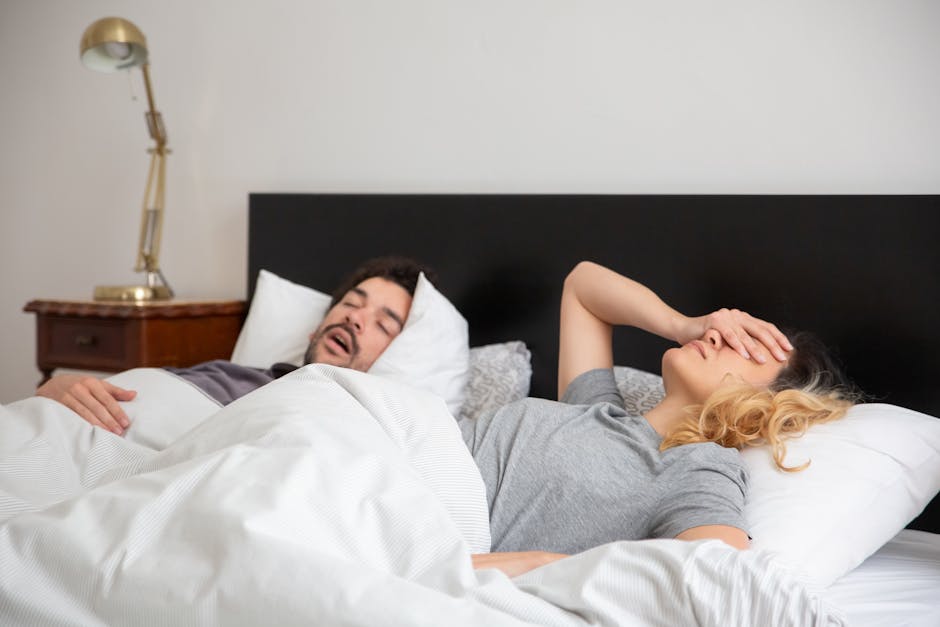
Snoring. That rumbling, rattling sound that can disrupt your sleep and your partner's. It's a common problem, affecting millions worldwide, and can range from a minor annoyance to a sign of a more serious underlying health issue. Fortunately, there are a number of remedies and solutions available to help you silence the night and enjoy restful slumber.
One of the easiest and most effective ways to reduce snoring is to change your sleep position. Sleeping on your back often exacerbates snoring as gravity pulls the tongue and soft tissues in the back of the throat downwards, obstructing the airway. Try sleeping on your side, which can help keep the airway open and reduce or eliminate snoring. A body pillow can be a helpful tool to maintain this position throughout the night.
Maintaining a healthy weight can also significantly impact snoring. Excess weight, particularly around the neck and throat, can put pressure on the airway, leading to snoring. Even a modest weight loss can make a noticeable difference in reducing snoring frequency and intensity. A balanced diet and regular exercise are key to achieving and maintaining a healthy weight.
Staying hydrated is another simple yet effective remedy. Dehydration can thicken nasal secretions, making it harder to breathe and increasing the likelihood of snoring. Drinking plenty of water throughout the day, especially in the hours leading up to bedtime, can help keep nasal passages clear and reduce snoring.
Certain lifestyle habits can also contribute to snoring. Smoking, for example, irritates the lining of the throat and nasal passages, leading to inflammation and increased mucus production, which can worsen snoring. Quitting smoking can significantly improve snoring and overall health. Limiting alcohol consumption, especially before bed, is also recommended, as alcohol relaxes the throat muscles, increasing the risk of snoring.
If lifestyle changes aren't enough, there are a number of over-the-counter remedies available. Nasal strips can help open the nasal passages, making breathing easier and reducing snoring. Oral appliances, such as mandibular advancement devices, can reposition the jaw and tongue to keep the airway open. These devices can be effective, but it's important to consult with a dentist or doctor to ensure proper fit and usage.
For more persistent or severe snoring, medical intervention may be necessary. Continuous positive airway pressure (CPAP) therapy is a common treatment for obstructive sleep apnea, a condition characterized by pauses in breathing during sleep. A CPAP machine delivers a constant stream of air through a mask, keeping the airway open and preventing snoring and apnea episodes. Other medical procedures, such as surgery to remove excess tissue in the throat or nasal passages, may be considered in certain cases.
If you're struggling with snoring, don't suffer in silence. Talk to your doctor or a sleep specialist to determine the underlying cause of your snoring and explore the best treatment options for you. With the right approach, you can reclaim peaceful nights and wake up feeling refreshed and energized.
Leave a Reply