
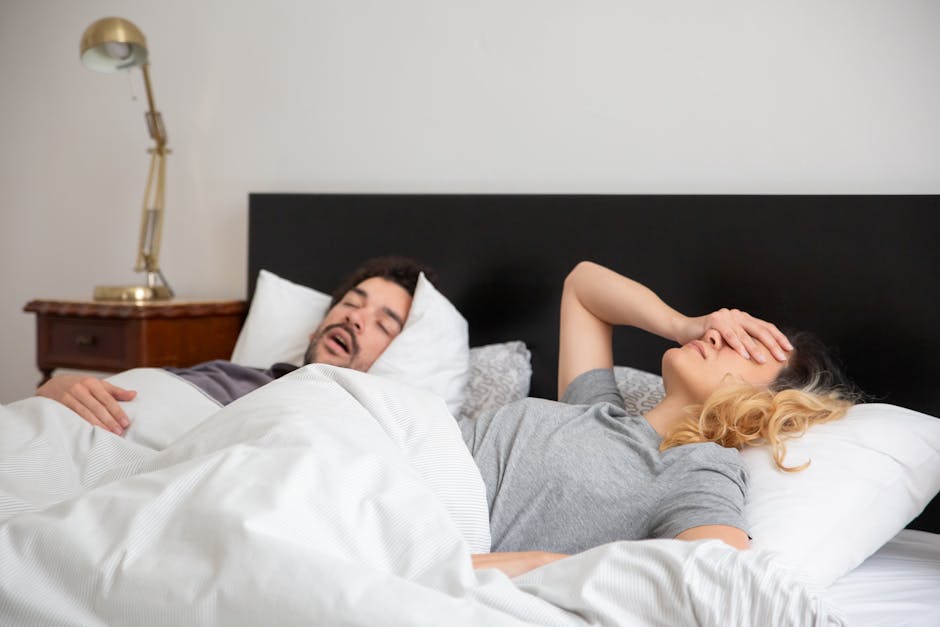
Snoring. That rumbling, sometimes whistling, often disruptive sound that can keep you and your partner awake at night. It's a common problem, affecting millions of people, and while sometimes harmless, it can also be a sign of underlying health issues. But the good news is, there are plenty of remedies to explore, from simple lifestyle changes to more advanced medical interventions.
One of the most effective ways to reduce snoring is to address lifestyle factors. Maintaining a healthy weight can make a big difference, as excess weight can put pressure on the airways. Regular exercise can also help tone the muscles in your throat and improve breathing. Avoiding alcohol and sedatives before bed is crucial, as these substances relax the throat muscles, making snoring more likely. Smoking irritates the nasal passages and throat, contributing to inflammation and increased snoring, so quitting is always a good idea.
If lifestyle changes aren't enough, there are a number of over-the-counter remedies available. Nasal strips can help open up the nasal passages, improving airflow. Oral appliances, like mandibular advancement devices, can reposition the jaw and tongue to keep the airway open. Throat sprays and lubricants can help moisturize the tissues and reduce vibrations that cause snoring. It's important to talk to your doctor or pharmacist before trying any new remedies, especially if you have other health conditions.
For those with more persistent snoring, a visit to a doctor or sleep specialist is recommended. They can evaluate your specific situation and determine if there are any underlying medical conditions contributing to your snoring, such as sleep apnea. Sleep apnea is a serious sleep disorder where breathing repeatedly stops and starts during sleep and requires specific treatment.
Depending on the cause and severity of your snoring, your doctor might recommend a continuous positive airway pressure (CPAP) machine. This device delivers a constant stream of air through a mask, keeping the airway open and preventing snoring. While effective, CPAP machines can take some getting used to. Other medical interventions, such as surgery to remove excess tissue in the throat or nasal passages, might be considered in certain cases.
Beyond these medical and over-the-counter solutions, there are also some home remedies that some people find helpful. Sleeping on your side can often reduce snoring compared to sleeping on your back. Elevating your head with an extra pillow can also help keep your airways open. Staying hydrated by drinking plenty of water throughout the day can help thin mucus secretions, which can contribute to snoring.
Remember, snoring can be more than just an annoyance. It can be a sign of a more serious health issue, and it can significantly impact the quality of your sleep and your partner's sleep. Don't hesitate to seek professional help if your snoring is disruptive or if you suspect it might be related to a medical condition.
With a little bit of effort and the right approach, you can find a solution that works for you and finally get a good night's sleep. So, take action, explore the options, and say goodbye to snoring!
Leave a Reply