
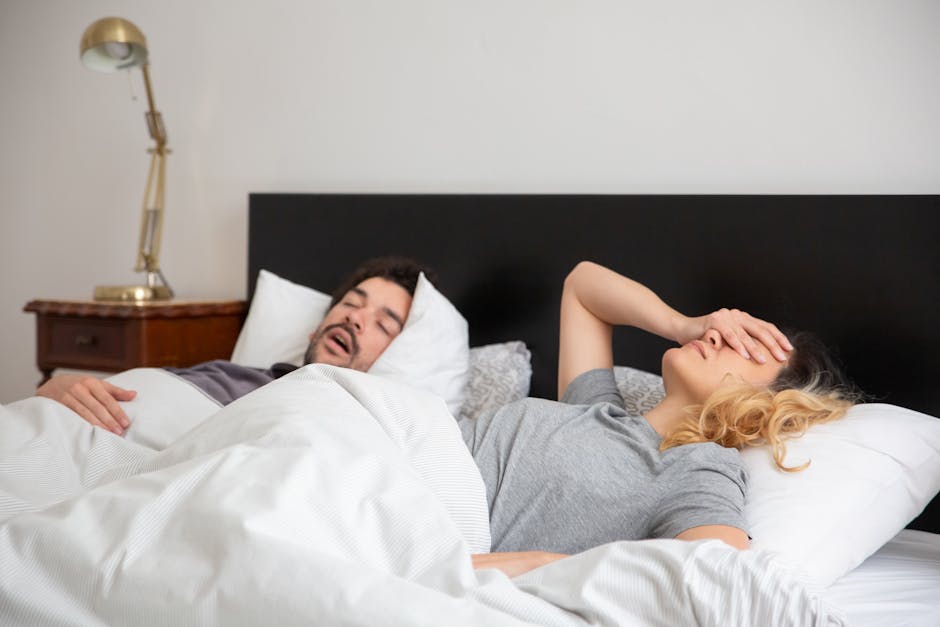
Snoring. That rumbling, rattling sound that can disrupt a good night's sleep – both for the snorer and anyone within earshot. It's a common problem, affecting millions of people, and can range from a mild annoyance to a sign of a more serious underlying health issue. Thankfully, there are a number of remedies that can help reduce or even eliminate snoring, allowing everyone to get a peaceful night's rest.
One of the most common causes of snoring is nasal congestion. When the nasal passages are blocked, air is forced through a smaller opening, creating the vibrations that cause snoring. Simple solutions like saline nasal sprays or nasal strips can help open up the airways and reduce snoring. A hot shower before bed can also help clear nasal passages and moisturize the air, further easing breathing.
Another contributing factor to snoring can be sleeping position. Sleeping on your back often allows the tongue and soft tissues in the throat to relax and fall back, obstructing the airway. Try sleeping on your side. You can even sew a tennis ball into the back of your pajamas to discourage rolling onto your back. This simple change in position can make a significant difference in snoring intensity.
Lifestyle changes can also play a crucial role in reducing snoring. Excess weight can put pressure on the throat, contributing to snoring. Regular exercise and a healthy diet can help shed those extra pounds and improve sleep quality. Smoking irritates the nasal passages and throat, making snoring worse. Quitting smoking can significantly improve snoring, as well as overall health.
Alcohol and certain medications, such as sedatives and muscle relaxants, can relax the throat muscles, increasing the likelihood of snoring. Limiting alcohol consumption and discussing medication side effects with your doctor can help address this issue. Creating a regular sleep schedule can also improve sleep quality and reduce snoring.
If simple remedies don't provide relief, there are other options to explore. Oral appliances, custom-fitted by a dentist, can help reposition the jaw and tongue, keeping the airway open. Continuous positive airway pressure (CPAP) therapy delivers a constant stream of air through a mask, preventing the airway from collapsing. While effective, CPAP machines can be cumbersome and require consistent use.
In some cases, surgery may be necessary to address anatomical issues that contribute to snoring. Procedures such as uvulopalatopharyngoplasty (UPPP) or laser-assisted uvulopalatoplasty (LAUP) remove or reshape excess tissue in the throat, widening the airway. These procedures should be considered after other remedies have been tried.
Snoring can be a frustrating problem, but it doesn't have to be a permanent one. By identifying the underlying causes and exploring the various remedies available, you can find a solution that works for you and finally enjoy a quiet, restful night's sleep.
Leave a Reply