
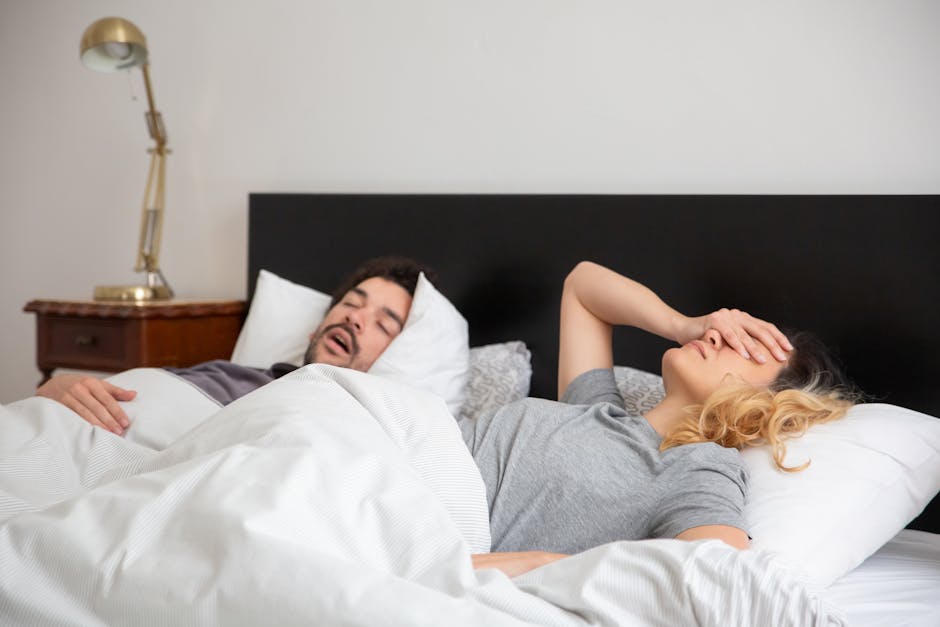
Snoring. That rumbling, sometimes whistling, often disruptive sound that can keep you and your partner up at night. It's a common problem, affecting millions of people, and while it might seem like a minor annoyance, it can actually be a sign of underlying health issues and significantly impact sleep quality. Luckily, there are a number of remedies you can try to quiet the night and get a better rest.
One of the most effective ways to reduce snoring is to address lifestyle factors. Maintaining a healthy weight is crucial, as excess weight can put pressure on the airways, contributing to snoring. Regular exercise can help with weight management and improve overall muscle tone, including the muscles in your throat. Avoiding alcohol and heavy meals before bed can also make a difference, as these can relax the throat muscles, increasing the likelihood of snoring.
If lifestyle changes aren't enough, there are several other remedies you can explore. Nasal strips, available over-the-counter, can help open up the nasal passages, making it easier to breathe and reducing snoring. Oral appliances, custom-fitted by a dentist, can help reposition the jaw and tongue, keeping the airway open. These appliances can be effective, but they might take some getting used to.
For those with allergies or nasal congestion, addressing these issues can significantly reduce snoring. Using a saline nasal spray or rinse can help clear out nasal passages, while antihistamines can reduce inflammation. If you suspect you have allergies, it's always a good idea to consult with a doctor to determine the best course of treatment.
Another effective remedy is changing your sleep position. Sleeping on your back often exacerbates snoring, as gravity can cause the tongue and soft tissues in the throat to collapse into the airway. Try sleeping on your side, which can help keep the airway open and reduce snoring. A body pillow can help maintain this position throughout the night.
For more persistent snoring, especially if accompanied by other symptoms like excessive daytime sleepiness or gasping for air during sleep, it's important to consult with a doctor. These could be signs of sleep apnea, a more serious sleep disorder that requires medical attention. A sleep study can help diagnose sleep apnea and determine the appropriate treatment.
There are also a number of alternative remedies that some people find helpful. These include throat exercises, playing the didgeridoo (an Australian wind instrument), and singing. While the scientific evidence for these remedies is limited, they may be worth trying if other methods haven't provided relief.
Snoring can be a frustrating problem, but with the right approach, it can often be managed effectively. By exploring these various remedies, you can find what works best for you and finally enjoy a quiet, restful night's sleep.
Leave a Reply