
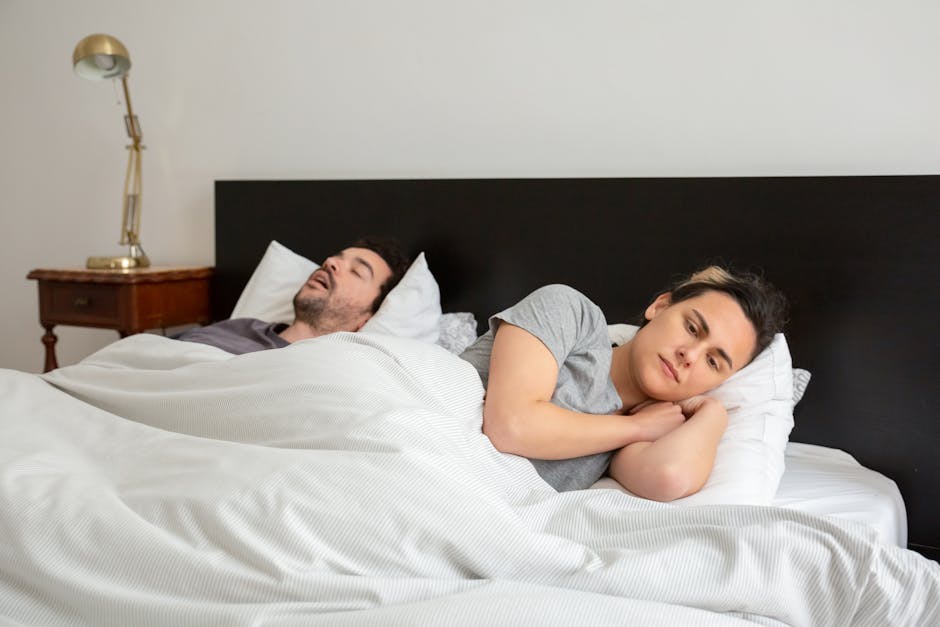
Snoring. That rumbling, sometimes rattling, often room-shaking sound that can disrupt sleep for both the snorer and anyone within earshot. It's a common problem, affecting millions of people, and while it can sometimes be just a nuisance, it can also be a sign of a more serious underlying health issue. Fortunately, there are a number of remedies that can help quiet the night and bring peaceful slumber back to the bedroom.
One of the first things to consider is your sleep position. Sleeping on your back often exacerbates snoring because gravity pulls the tongue and soft tissues in the throat backward, partially obstructing the airway. Try sleeping on your side. A simple trick is to sew a tennis ball into the back of your pajamas to discourage back sleeping. This can make a significant difference for many snorers.
Lifestyle changes can also play a crucial role in reducing snoring. Excess weight can contribute to snoring by adding tissue around the neck and throat, constricting the airway. Losing even a small amount of weight can sometimes make a noticeable improvement. Regular exercise can also tone muscles in the throat and improve overall sleep quality.
Alcohol and sedatives relax the throat muscles, making snoring more likely. Avoiding these substances, particularly close to bedtime, can help reduce snoring. Smoking irritates the nasal passages and throat, leading to inflammation and increased mucus production, which can also worsen snoring. Quitting smoking is beneficial for overall health and can positively impact snoring.
Staying hydrated is important for many bodily functions, including maintaining healthy airways. Drinking plenty of water throughout the day can help keep the mucous membranes in the nose and throat moist, reducing congestion and potentially lessening snoring.
For some, allergies or nasal congestion can be the primary culprit behind snoring. Addressing these underlying issues can often resolve the snoring problem. Over-the-counter nasal strips or decongestants can help open up the nasal passages, allowing for easier breathing and potentially quieter nights. If allergies are a concern, consider seeing an allergist for testing and treatment options.
Oral appliances, available from dentists, are another option for some snorers. These devices help to reposition the jaw and tongue, keeping the airway open. While they can be effective, they may take some getting used to. Continuous positive airway pressure (CPAP) therapy is often prescribed for individuals with obstructive sleep apnea, a more serious condition characterized by pauses in breathing during sleep. A CPAP machine delivers a constant stream of air through a mask, keeping the airway open and preventing snoring and apnea episodes.
If you've tried various remedies and are still struggling with snoring, it's important to consult with a doctor. Snoring can sometimes be a symptom of underlying health conditions such as sleep apnea, which requires medical attention. A doctor can evaluate your specific situation, determine the cause of your snoring, and recommend the most appropriate treatment options.
Leave a Reply