
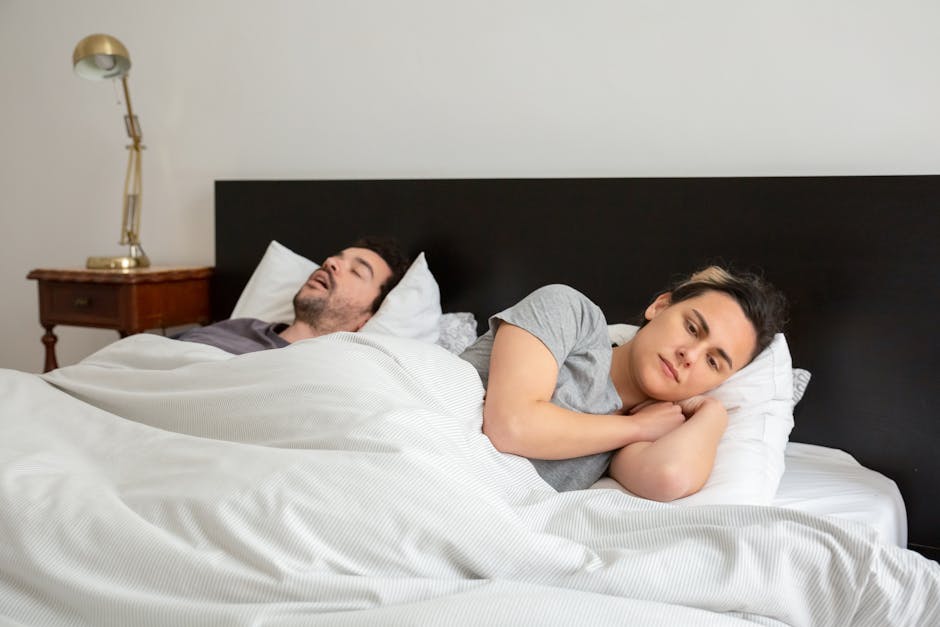
Snoring is a common problem that affects millions of people worldwide. It's that rumbling, rattling sound that occurs when your airway is partially blocked during sleep, causing the tissues in your throat to vibrate. While it might seem like a minor annoyance, snoring can lead to poor sleep quality for both the snorer and their partner, and in some cases, it can be a sign of a more serious underlying health issue. Luckily, there are several remedies you can try to quiet the night and get a better rest.
One of the easiest and most effective remedies for snoring is changing your sleep position. Sleeping on your back often exacerbates snoring because gravity pulls the tongue and soft tissues backward, further obstructing the airway. Try sleeping on your side, which can help keep the airway open and reduce snoring. You can use pillows to prop yourself up and maintain this position throughout the night.
Maintaining a healthy weight can also significantly impact snoring. Excess weight, especially around the neck, can put pressure on the airway, making it more likely to collapse during sleep. Even a modest weight loss can make a noticeable difference in snoring intensity. Focus on a balanced diet and regular exercise to achieve and maintain a healthy weight.
Staying hydrated is another simple yet effective remedy. When you're dehydrated, the secretions in your nose and throat become thicker and stickier, which can contribute to snoring. Drinking plenty of water throughout the day, especially in the hours leading up to bedtime, can help keep these passages clear.
Avoiding alcohol and sedatives before bed is crucial. These substances relax the muscles in the throat, making them more prone to collapse and vibrate. Limiting your intake of alcohol and avoiding sedatives close to bedtime can help prevent snoring.
Nasal congestion can also contribute to snoring. If allergies or a cold are causing your nasal passages to swell, it can restrict airflow and lead to snoring. Using nasal strips or a saline nasal spray can help open up your airways and reduce snoring.
Consider using an oral appliance. These devices, often custom-fitted by a dentist, help reposition the jaw and tongue to keep the airway open during sleep. While they can be effective, it's essential to consult with a dentist to determine the right appliance for your needs.
If snoring persists despite trying these remedies, it's important to consult with a doctor. In some cases, snoring can be a symptom of sleep apnea, a more serious condition characterized by pauses in breathing during sleep. A doctor can diagnose and recommend appropriate treatment for sleep apnea and other underlying health issues that may be contributing to your snoring.
Leave a Reply