
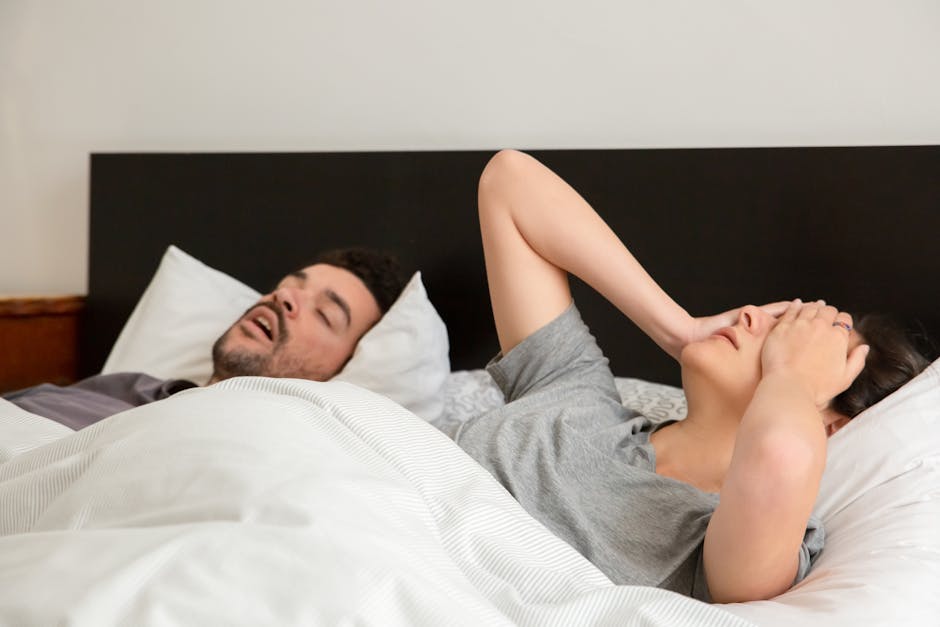
Snoring. That rumbling, sometimes rattling sound that can disrupt your sleep and the sleep of your partner. It's a common problem, affecting millions, and while sometimes harmless, it can also be a sign of underlying health issues. Fortunately, there are numerous remedies available to help quiet the night and promote better sleep for everyone.
One of the most effective ways to address snoring is to make lifestyle changes. Maintaining a healthy weight can significantly reduce snoring, as excess weight can put pressure on the airways. Regular exercise contributes to overall health and can improve muscle tone, including the muscles in your throat, which can help keep airways open. Avoiding alcohol and sedatives before bed is also crucial, as these substances relax throat muscles, making snoring more likely.
If lifestyle changes aren't enough, several other remedies can be explored. Nasal strips, available over-the-counter, can help widen the nasal passages, improving airflow and reducing snoring. Similarly, nasal dilators, small devices inserted into the nostrils, can also help open up the nasal passages. For those with allergies or nasal congestion, using a saline nasal spray or neti pot can clear the airways and reduce snoring caused by congestion.
Oral appliances, custom-fitted by a dentist, are another option. These devices reposition the jaw and tongue, helping to keep the airway open. While they can be effective, they may take some getting used to and can be expensive. For more severe cases of snoring, especially those related to sleep apnea, a continuous positive airway pressure (CPAP) machine may be necessary. This machine delivers a constant stream of air through a mask, keeping the airway open and preventing snoring and apnea episodes.
Surgical options are also available for those who haven't found relief with other methods. These procedures aim to correct structural issues in the nose, throat, or palate that contribute to snoring. Uvulopalatopharyngoplasty (UPPP), for example, removes excess tissue in the throat, while laser-assisted uvuloplasty shortens the uvula. Septoplasty can correct a deviated septum, improving airflow and reducing snoring.
While trying different remedies, it's essential to identify and address any underlying medical conditions that may be contributing to your snoring. Allergies, nasal polyps, and a deviated septum can all obstruct airflow and cause snoring. Consulting with a doctor can help determine if any of these conditions are playing a role and guide you towards appropriate treatment.
In addition to these remedies, some simple changes in your sleep environment can also make a difference. Sleeping on your side, rather than your back, can help prevent the tongue from falling back into the throat and obstructing the airway. Elevating your head with an extra pillow can also improve airflow and reduce snoring. Ensuring your bedroom is a comfortable temperature and free from distractions can also contribute to a better night's sleep.
Snoring can be a frustrating problem, but with a little patience and persistence, you can find a solution that works for you. By exploring these various remedies and consulting with a healthcare professional, you can silence the night and enjoy a more peaceful and restful sleep.
Leave a Reply