
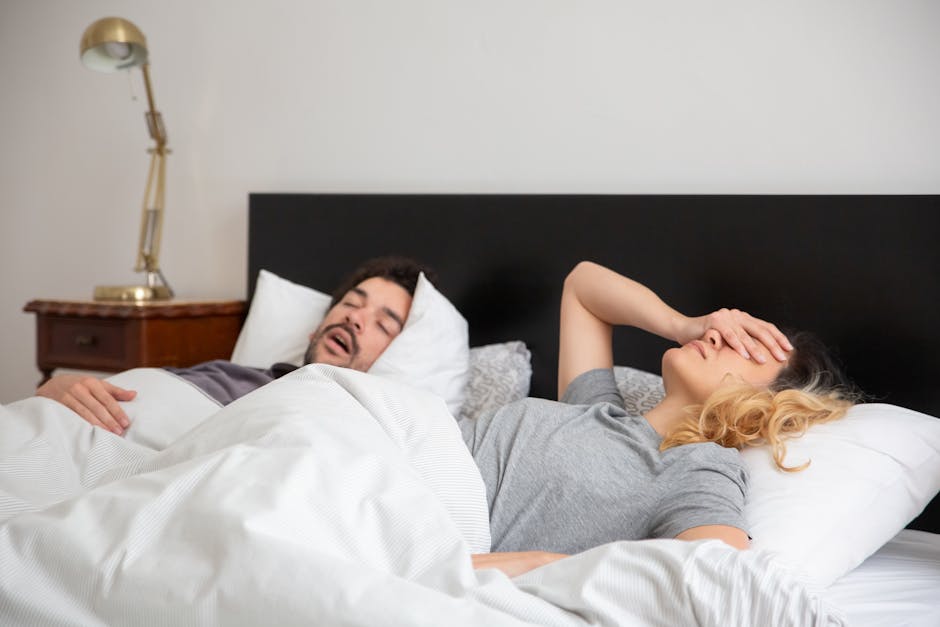
Snoring. That rumbling, rattling sound that can disrupt your sleep and your partner's. It's a common problem, affecting millions worldwide, and it can range from a minor annoyance to a sign of a more serious underlying health issue. Fortunately, there are a variety of remedies available that can help silence the night and promote better sleep for everyone involved.
One of the simplest and most effective remedies for snoring is changing your sleep position. Sleeping on your back often exacerbates snoring as gravity pulls the tongue and soft tissues in the throat backward, obstructing the airway. Try sleeping on your side, using a pillow to support your back and prevent you from rolling over. Elevating your head with an extra pillow can also help open up the airway and reduce snoring.
Maintaining a healthy weight can also significantly impact snoring. Excess weight, especially around the neck, can put pressure on the airway, making it more likely to collapse during sleep. Even a modest weight loss can make a noticeable difference in reducing snoring frequency and intensity. Incorporate regular exercise and a balanced diet into your routine to achieve and maintain a healthy weight.
Staying hydrated is often overlooked but can be surprisingly effective in reducing snoring. When you're dehydrated, the secretions in your nose and throat become thicker and stickier, increasing the likelihood of airway obstruction and snoring. Make sure to drink plenty of water throughout the day, especially in the hours leading up to bedtime.
Avoiding alcohol and sedatives before bed is another important step in combating snoring. These substances relax the muscles in the throat, making them more prone to collapse and vibrate during sleep. Limit your alcohol intake and avoid taking sedatives close to bedtime to minimize their impact on your snoring.
Nasal congestion can also contribute to snoring. If allergies or a cold are causing your nasal passages to swell, it can restrict airflow and lead to snoring. Using a saline nasal spray or rinse can help clear out nasal passages and improve breathing, reducing snoring. Over-the-counter decongestants can also provide temporary relief, but should be used with caution and only as directed.
For some individuals, anti-snoring devices can be helpful. These include nasal strips, which help open up the nasal passages, and oral appliances, which reposition the jaw and tongue to keep the airway open. While these devices can be effective for some people, they may not work for everyone, and it's important to consult with a doctor or dentist to determine the right device for your needs.
In more severe cases of snoring, especially those associated with obstructive sleep apnea, medical intervention may be necessary. Obstructive sleep apnea is a serious condition characterized by repeated pauses in breathing during sleep. Treatment options can include continuous positive airway pressure (CPAP) therapy, which uses a machine to deliver air pressure to keep the airway open, or surgery to remove excess tissue in the throat. If you suspect you may have sleep apnea, it's crucial to consult with a sleep specialist for proper diagnosis and treatment.
Leave a Reply