
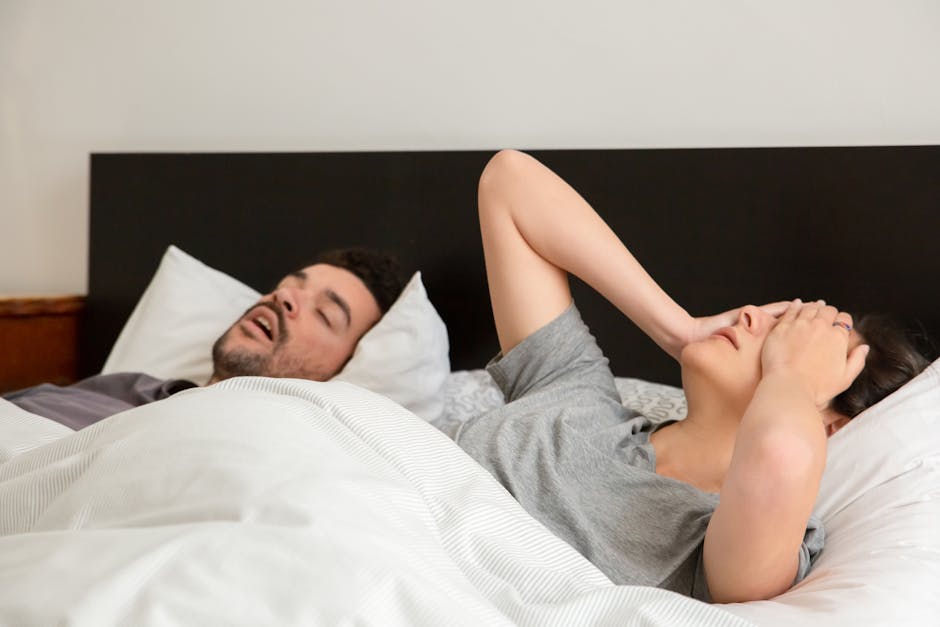
Snoring. That rumbling, rattling sound that can disrupt the tranquility of a peaceful night's sleep, both for the snorer and their unfortunate bed partner. While occasional snoring might not be cause for concern, chronic snoring can be a sign of underlying health issues and should be addressed. Fortunately, there are a variety of remedies available that can help silence the night and restore restful slumber.
One of the simplest and most effective snoring remedies is adjusting your sleep position. Sleeping on your back often exacerbates snoring as gravity pulls the tongue and soft tissues in the throat backward, obstructing the airway. Try sleeping on your side, which can help keep the airway open and reduce snoring. A body pillow can be a helpful tool to maintain this position throughout the night.
Maintaining a healthy weight can also significantly impact snoring. Excess weight, especially around the neck, can put pressure on the airway, contributing to snoring. Even a modest weight loss can make a noticeable difference in reducing snoring frequency and intensity. Incorporating regular exercise and a balanced diet can contribute to overall health and better sleep.
Staying hydrated is often overlooked but can be surprisingly effective in reducing snoring. When the body is dehydrated, secretions in the nose and throat become thicker and stickier, increasing the likelihood of snoring. Drinking plenty of water throughout the day, especially in the hours leading up to bedtime, can help keep these passages clear.
Alcohol and certain medications, such as sedatives and muscle relaxants, can relax the throat muscles, increasing the risk of snoring. Limiting alcohol consumption, particularly close to bedtime, can be beneficial. If you suspect a medication is contributing to your snoring, consult your doctor about potential alternatives.
Nasal congestion can also contribute to snoring. If allergies or a deviated septum are causing nasal obstruction, addressing these issues can improve airflow and reduce snoring. Over-the-counter nasal strips or saline nasal sprays can provide temporary relief, while more persistent problems may require medical intervention.
For more persistent snoring, oral appliances, such as mandibular advancement devices, can be custom-fitted by a dentist. These devices help reposition the jaw and tongue, keeping the airway open during sleep. Continuous positive airway pressure (CPAP) therapy is another option for more severe cases, particularly those associated with obstructive sleep apnea. CPAP involves wearing a mask that delivers a constant stream of air to keep the airway open.
If snoring persists despite trying these remedies, it's important to consult a doctor. Chronic snoring can be a symptom of underlying health conditions like sleep apnea, which can have serious health consequences if left untreated. A doctor can evaluate your snoring and recommend the most appropriate course of treatment.
Leave a Reply