
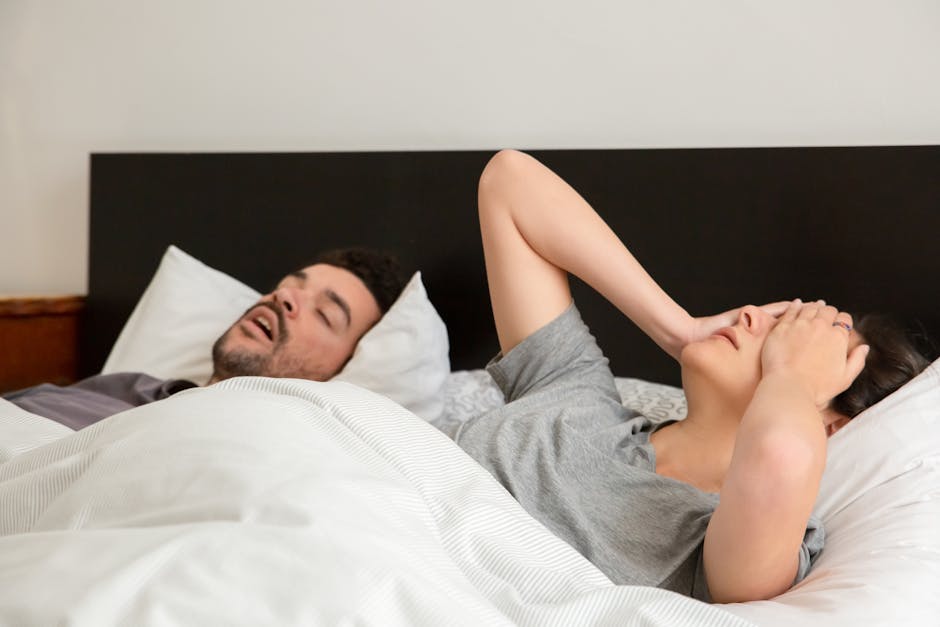
Snoring. That rumbling, rattling sound that can disrupt your sleep and your partner's. It's a common problem, affecting millions of people worldwide. While occasional snoring might be harmless, chronic snoring can be a sign of underlying health issues and significantly impact sleep quality. Fortunately, there are numerous remedies available to help quiet the night and promote restful slumber.
One of the most effective ways to address snoring is to identify and address any underlying medical conditions. Conditions like sleep apnea, nasal congestion, and deviated septums can contribute to snoring. Consulting a doctor can help determine the cause of your snoring and recommend appropriate treatment options.
Lifestyle changes can also play a significant role in reducing snoring. Maintaining a healthy weight is crucial, as excess weight can put pressure on the airways, leading to snoring. Regular exercise and a balanced diet can help achieve and maintain a healthy weight.
Avoiding alcohol and sedatives before bed is also important. These substances relax the throat muscles, increasing the likelihood of snoring. Similarly, smoking irritates the nasal passages and throat, contributing to inflammation and snoring. Quitting smoking can significantly improve snoring and overall health.
Sleeping position can also influence snoring. Sleeping on your back often exacerbates snoring as gravity pulls the tongue and soft palate towards the back of the throat, obstructing airflow. Try sleeping on your side to keep the airways open and reduce snoring. Specialized pillows designed to encourage side sleeping can be helpful.
Maintaining good sleep hygiene is essential for overall sleep quality and can also impact snoring. Establishing a regular sleep schedule, creating a relaxing bedtime routine, and ensuring a comfortable sleep environment can promote better sleep and potentially reduce snoring.
Several over-the-counter remedies can also provide relief from snoring. Nasal strips can help open the nasal passages, improving airflow. Oral appliances, like mandibular advancement devices, can reposition the jaw and tongue to prevent airway obstruction. Throat sprays and lubricants can help keep the throat moist and reduce vibrations that cause snoring.
If lifestyle changes and over-the-counter remedies don't provide sufficient relief, medical interventions may be necessary. Continuous positive airway pressure (CPAP) therapy is a common treatment for sleep apnea and can also be effective for snoring. Other medical procedures, such as surgery to correct a deviated septum or remove excess tissue in the throat, may be considered in certain cases. Consulting with a sleep specialist can help determine the most appropriate course of action.
Leave a Reply