
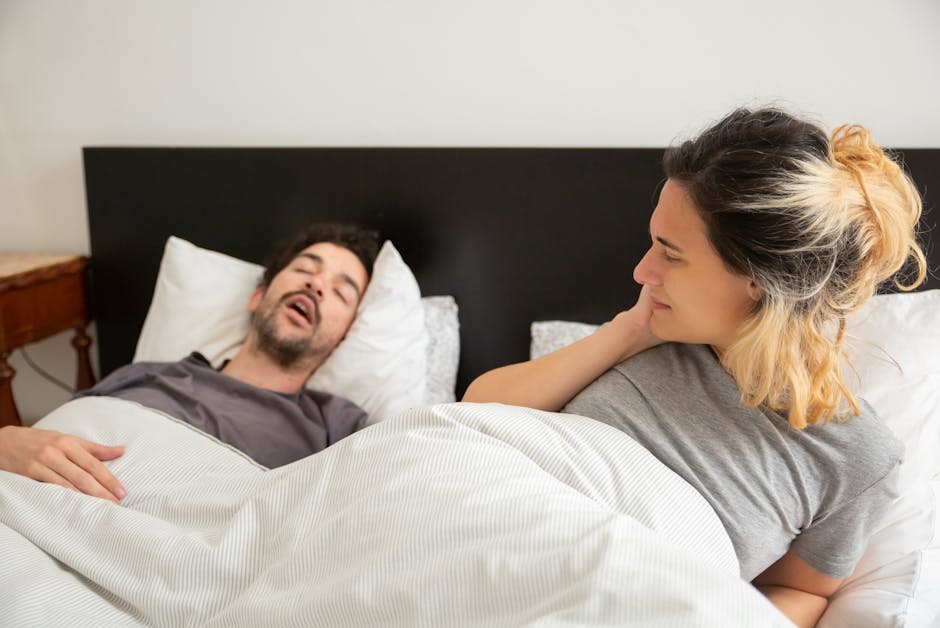
Snoring. That rumbling, sometimes rattling sound that can disrupt the tranquility of a peaceful night's sleep, both for the snorer and anyone within earshot. While snoring can sometimes be a humorous topic, it can also be a sign of underlying health issues and a significant source of frustration for couples. Fortunately, there are several remedies available that can help alleviate snoring and promote better sleep.
One of the most common causes of snoring is nasal congestion. When the nasal passages are blocked, air is forced through a smaller opening, creating the vibrations that cause snoring. Addressing nasal congestion can be as simple as using a saline nasal spray or nasal strips to open up the airways. For allergies, taking an antihistamine before bed can also help reduce congestion and minimize snoring.
Lifestyle changes can also play a significant role in reducing snoring. Maintaining a healthy weight is crucial, as excess weight can put pressure on the throat and narrow the airways. Regular exercise and a balanced diet can contribute to weight management and improve sleep quality overall. Avoiding alcohol and sedatives before bed is also important, as these substances can relax the throat muscles and exacerbate snoring.
Sleeping position can also influence snoring. Sleeping on your back often allows the tongue and soft palate to fall back into the throat, obstructing airflow. Try sleeping on your side to keep the airways open and reduce snoring. Specialized pillows designed to encourage side sleeping can also be helpful.
For more persistent snoring, oral appliances can be an effective solution. These devices, custom-fitted by a dentist, help reposition the jaw and tongue to keep the airways open. While they may take some getting used to, oral appliances can significantly reduce or even eliminate snoring.
Another option for addressing snoring is continuous positive airway pressure (CPAP) therapy. This involves wearing a mask that delivers a constant stream of air to keep the airways open throughout the night. CPAP therapy is typically prescribed for individuals with obstructive sleep apnea, a more serious condition characterized by pauses in breathing during sleep.
If snoring persists despite trying these remedies, it's important to consult with a healthcare professional. Snoring can sometimes be a symptom of underlying medical conditions such as sleep apnea, nasal polyps, or a deviated septum. A doctor can evaluate your specific situation and recommend the most appropriate course of treatment.
By exploring these various remedies and seeking professional guidance when needed, you can take proactive steps towards silencing the night and enjoying the benefits of restful, uninterrupted sleep. A good night's sleep is essential for overall health and well-being, and addressing snoring can significantly improve the quality of life for both the snorer and their partner.
Leave a Reply