
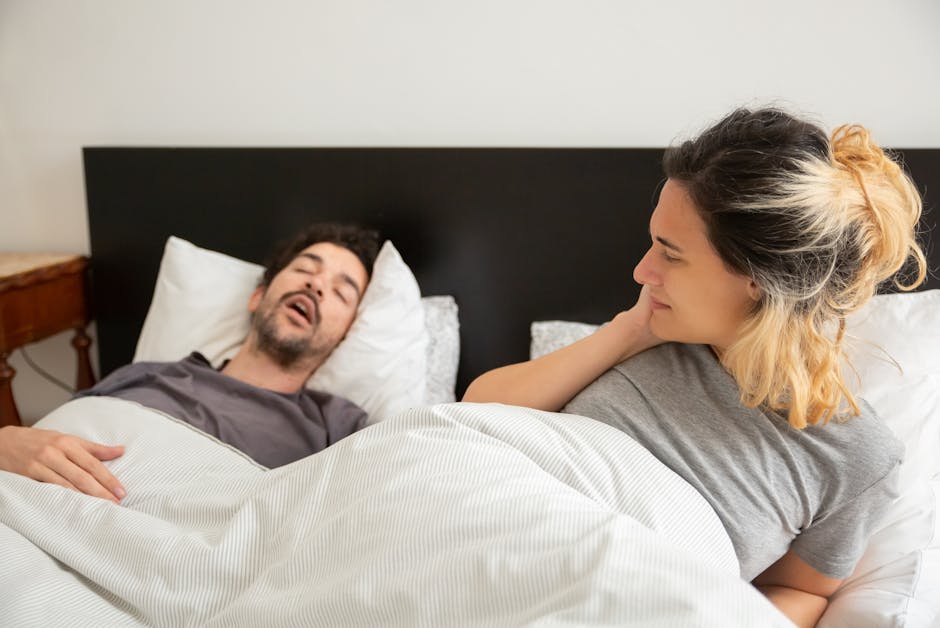
Snoring. That rumbling, sometimes rattling sound that can disrupt the tranquility of a peaceful night's sleep, both for the snorer and anyone within earshot. While occasional snoring isn't usually cause for concern, habitual snoring can be a sign of underlying health issues and can significantly impact sleep quality. Fortunately, there are a variety of remedies available to help silence the night and promote better sleep.
One of the most common causes of snoring is nasal congestion. When the nasal passages are blocked, airflow is restricted, leading to vibrations in the soft tissues of the throat. Simple solutions like nasal strips or saline nasal sprays can help open up the airways and reduce snoring. A humidifier can also add moisture to the air, preventing dryness which can exacerbate congestion.
Lifestyle changes can also play a significant role in reducing snoring. Maintaining a healthy weight is crucial, as excess weight can contribute to fatty tissue buildup in the throat, narrowing the airways. Regular exercise and a balanced diet can help achieve and maintain a healthy weight. Avoiding alcohol and sedatives before bed is also recommended, as these substances relax the throat muscles, increasing the likelihood of snoring.
Sleeping position can also influence snoring. Sleeping on your back often allows the tongue and soft palate to fall back into the throat, obstructing airflow. Try sleeping on your side, which can help keep the airways open. Specialized pillows designed to encourage side sleeping are also available.
For more persistent snoring, oral appliances can be an effective solution. These devices, custom-fitted by a dentist, help reposition the jaw and tongue, preventing them from blocking the airway. While they can take some getting used to, many find them to be a highly effective solution.
Another option is continuous positive airway pressure (CPAP) therapy. This involves wearing a mask over the nose or nose and mouth while sleeping. The mask is connected to a machine that delivers a constant stream of air, keeping the airways open. CPAP is often prescribed for individuals with sleep apnea, a condition characterized by pauses in breathing during sleep.
Surgical procedures are also available for addressing snoring caused by structural abnormalities in the nose or throat. These procedures can range from removing excess tissue in the throat to correcting a deviated septum. It is important to discuss the risks and benefits of surgery with a doctor to determine if it's the right option.
Finally, if snoring persists despite trying various remedies, it's crucial to consult a doctor. Snoring can be a symptom of underlying health conditions such as sleep apnea, which requires medical attention. A doctor can perform a sleep study to diagnose any underlying issues and recommend appropriate treatment. By addressing snoring proactively, you can improve your sleep quality and overall health.
Leave a Reply