
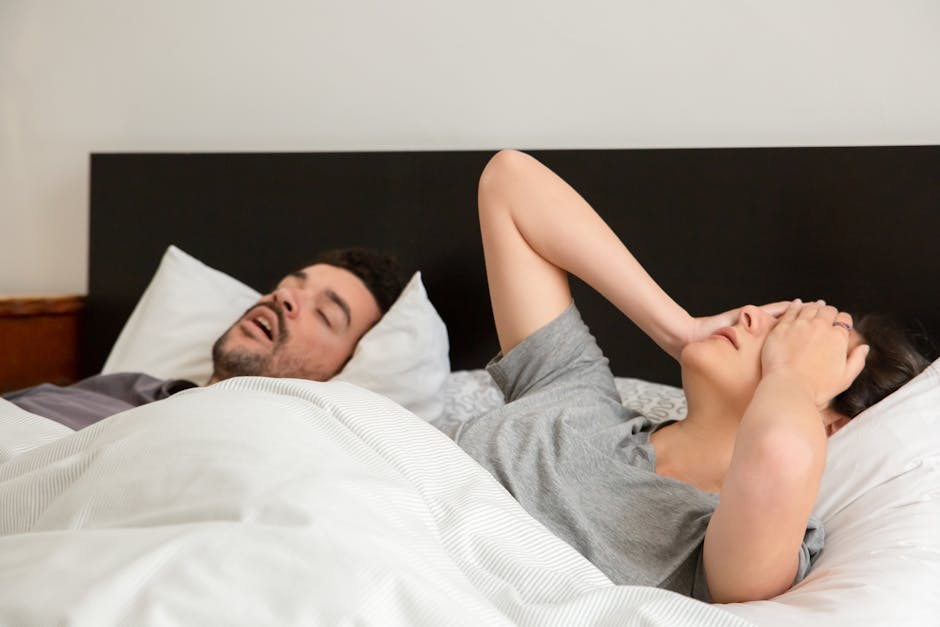
Snoring, that rumbling, rattling sound that disrupts the tranquility of night, affects millions of people and their partners. While often dismissed as a minor annoyance, snoring can signal underlying health issues and significantly impact sleep quality. Fortunately, a variety of remedies can help alleviate snoring and restore peaceful slumber.
One common cause of snoring is nasal congestion. When the nasal passages are blocked, airflow is restricted, leading to vibrations in the soft tissues of the throat. Simple solutions like saline nasal sprays, nasal strips, or a neti pot can help clear the airways and reduce snoring. Maintaining proper humidity in the bedroom with a humidifier can also help keep nasal passages moist and open.
Another contributing factor to snoring is the relaxation of throat muscles during sleep. This relaxation can cause the airway to narrow, leading to vibrations. Strengthening these muscles can help maintain an open airway. Singing, playing wind instruments, or practicing throat exercises can help tone these muscles and reduce snoring.
Sleeping position plays a significant role in snoring. Sleeping on your back often exacerbates snoring as gravity pulls the tongue and soft tissues back into the airway. Sleeping on your side can help keep the airway open and reduce snoring. Specialized pillows designed to encourage side sleeping can be helpful.
Lifestyle changes can also make a difference. Excess weight can contribute to snoring by adding tissue around the neck and throat. Losing weight through a healthy diet and regular exercise can significantly reduce snoring. Alcohol and sedatives relax the throat muscles, increasing the likelihood of snoring. Limiting their use, especially before bedtime, can be beneficial.
Smoking irritates the nasal passages and throat, leading to inflammation and swelling, which can worsen snoring. Quitting smoking is not only beneficial for overall health but can also significantly reduce snoring. Allergies can also contribute to nasal congestion and snoring. Identifying and managing allergies through medication or avoidance of allergens can help alleviate snoring.
For persistent snoring, medical intervention may be necessary. Continuous Positive Airway Pressure (CPAP) therapy is a common treatment for sleep apnea, a condition characterized by pauses in breathing during sleep. CPAP involves wearing a mask that delivers pressurized air to keep the airway open. Other medical devices, such as oral appliances, can help reposition the jaw and tongue to maintain an open airway.
If you're struggling with snoring, don't suffer in silence. Exploring these remedies and consulting with a healthcare professional can help you identify the underlying cause of your snoring and find effective solutions. Reclaiming a peaceful night's sleep is within reach, leading to improved overall health and well-being.
Leave a Reply