
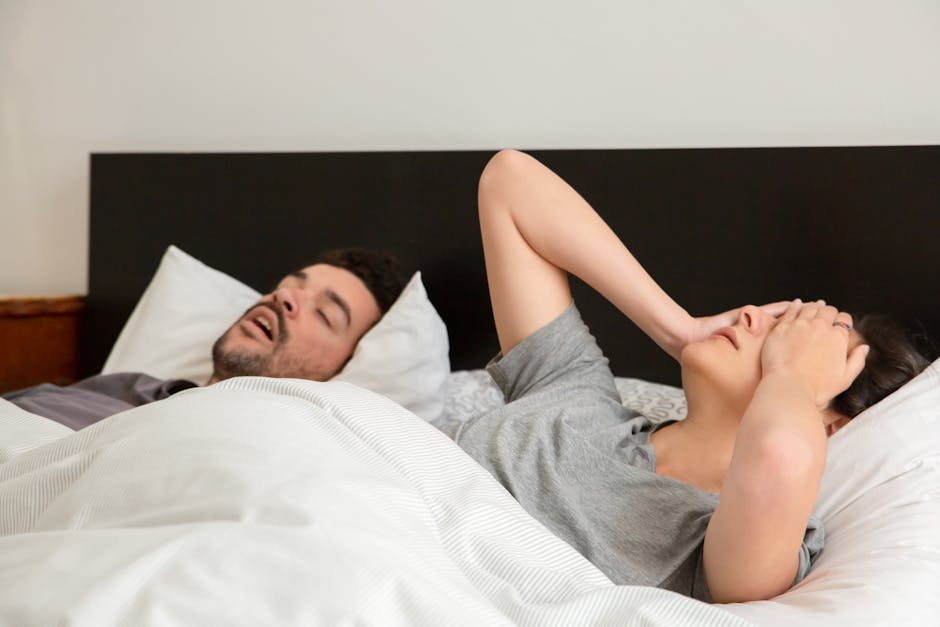
Snoring. That disruptive nighttime noise that can strain relationships and leave you feeling exhausted. Millions of people snore, and while it might seem like a minor inconvenience, it can be a sign of underlying health issues and significantly impact sleep quality for both the snorer and their partner. Fortunately, there are a variety of snoring remedies available that can help silence the night and promote restful sleep.
Lifestyle changes can often make a significant difference in reducing snoring. Maintaining a healthy weight is crucial, as excess weight can put pressure on the airways, contributing to snoring. Regular exercise can help with weight management and also improve overall muscle tone, including the muscles in the throat, which can help keep airways open. Avoiding alcohol and sedatives before bed is also important, as these substances can relax throat muscles, increasing the likelihood of snoring.
Another common culprit of snoring is allergies. Allergens like dust mites, pet dander, and pollen can irritate the nasal passages, leading to congestion and inflammation. This congestion can restrict airflow, making snoring more likely. Addressing allergies through measures like using hypoallergenic bedding, keeping pets out of the bedroom, and taking allergy medication can significantly reduce snoring.
Sleeping position plays a vital role in snoring. Sleeping on your back often allows the tongue and soft tissues in the throat to relax and fall back into the airway, obstructing airflow and causing snoring. Sleeping on your side can help keep the airways open and reduce snoring. Using a body pillow or placing a tennis ball in the back of your pajamas can help train you to stay on your side.
Over-the-counter nasal strips and dilators can also be effective snoring remedies. These adhesive strips help to open the nasal passages, improving airflow and reducing snoring. Internal nasal dilators, small devices inserted into the nostrils, can also help widen the nasal passages. These options can be particularly helpful for individuals whose snoring is primarily caused by nasal congestion.
For more persistent snoring, oral appliances are another option. These custom-fitted devices, similar to mouthguards, help to reposition the jaw and tongue, keeping the airway open. While they can be effective, they may take some getting used to and might not be suitable for everyone. Consulting with a dentist or sleep specialist is recommended to determine if an oral appliance is the right solution for you.
In some cases, surgery may be necessary to address underlying anatomical issues that contribute to snoring. Procedures like uvulopalatopharyngoplasty (UPPP) remove excess tissue in the throat, widening the airway. Other surgical options include radiofrequency ablation, which uses heat to shrink tissues in the throat, and nasal surgery to correct structural abnormalities. Surgery is typically considered a last resort after other remedies have been unsuccessful.
If you're struggling with snoring, don't suffer in silence. Exploring these remedies can help you find a solution that works for you and reclaim peaceful, restful nights for both you and your partner. If snoring persists despite trying these remedies, it's essential to consult with a healthcare professional to rule out any underlying medical conditions and discuss further treatment options.
Leave a Reply