
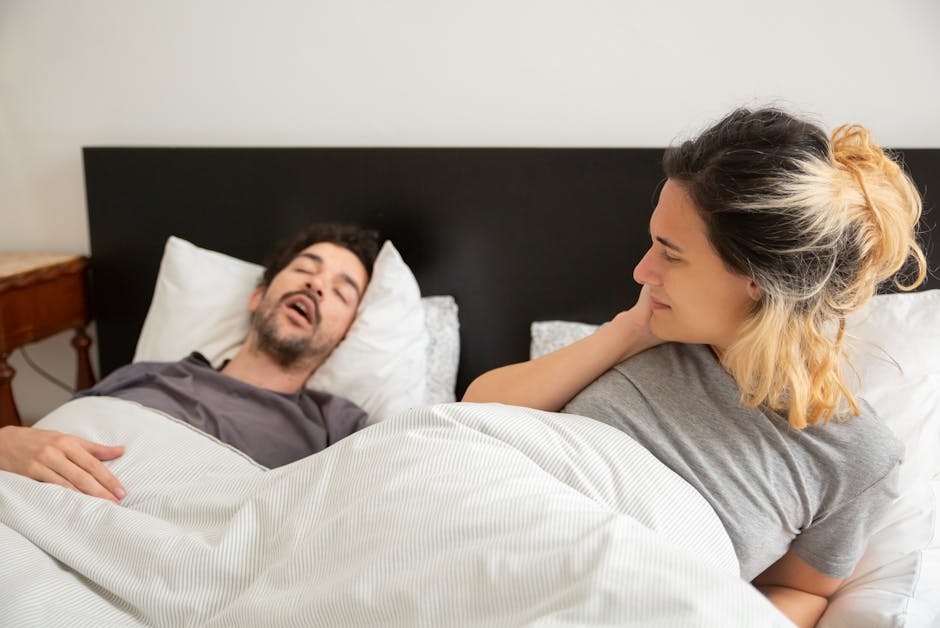
Snoring. That rumbling, rattling sound that can disrupt a good night's sleep, not just for you, but for your partner too. While occasional snoring might not be a cause for concern, chronic snoring can be a sign of underlying health issues and can significantly impact the quality of your sleep and your relationship. Fortunately, there are a number of remedies available that can help silence the night and promote restful slumber.
One of the most common causes of snoring is nasal congestion. When your nasal passages are blocked, air is forced through a smaller opening, causing the tissues to vibrate and produce the telltale snoring sound. Using a saline nasal spray or rinse before bed can help clear your nasal passages and reduce congestion, minimizing or even eliminating snoring.
Another effective remedy for snoring is changing your sleep position. Sleeping on your back often exacerbates snoring as gravity pulls the tongue and soft tissues in the throat backward, obstructing the airway. Try sleeping on your side. A simple trick is to sew a tennis ball into the back of your pajamas to discourage rolling onto your back.
Maintaining a healthy weight can also significantly impact snoring. Excess weight, especially around the neck area, can put pressure on the airway, making it more likely to collapse during sleep. Even a modest weight loss can often lead to a noticeable reduction in snoring.
Certain lifestyle changes can also make a difference. Smoking irritates the nasal passages and throat, contributing to inflammation and swelling, which can worsen snoring. Quitting smoking can improve not only your snoring but also your overall health. Similarly, limiting alcohol consumption, especially before bed, can help reduce snoring. Alcohol relaxes the throat muscles, making them more likely to collapse and obstruct the airway.
If you've tried lifestyle changes and over-the-counter remedies without success, it might be time to consider other options. Oral appliances, such as mandibular advancement devices, can help keep the airway open by repositioning the jaw. These devices are custom-fitted by a dentist and can be an effective solution for many snorers.
For more severe cases of snoring, especially those associated with obstructive sleep apnea, a continuous positive airway pressure (CPAP) machine may be necessary. This device delivers a constant stream of air through a mask, keeping the airway open and preventing snoring. While CPAP therapy can be highly effective, it does require a commitment to using the device every night.
Snoring can be a frustrating problem, but it doesn't have to be a permanent one. By exploring these remedies and working with your doctor or a sleep specialist, you can find the solution that works best for you and finally enjoy a peaceful night's sleep.
Leave a Reply