
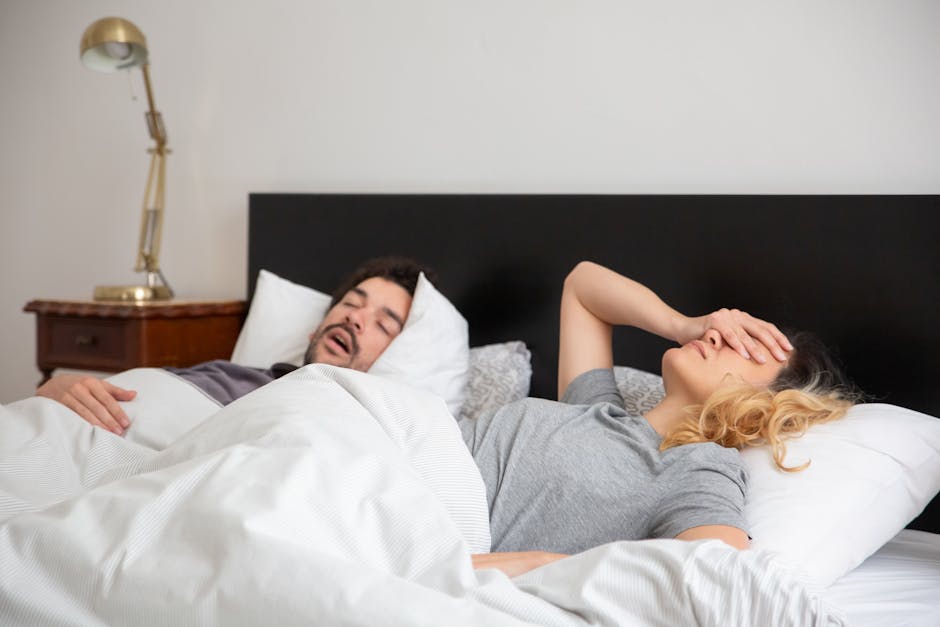
Snoring. That rumbling, rattling sound that can disrupt your sleep and your partner's. It's a common problem, affecting millions of people worldwide. While occasional snoring might not be a cause for concern, chronic snoring can signal underlying health issues and significantly impact sleep quality. Fortunately, there are several remedies available to help silence the night and promote restful slumber.
One of the most effective lifestyle changes you can make to reduce snoring is to lose weight if you are overweight or obese. Excess weight, especially around the neck, can put pressure on the airways, narrowing them and increasing the likelihood of snoring. Even a modest weight loss can make a noticeable difference in reducing snoring frequency and intensity.
Regular exercise can also contribute to better sleep and reduced snoring. Physical activity helps tone muscles throughout the body, including those in the throat, which can help keep airways open. Aim for at least 30 minutes of moderate-intensity exercise most days of the week.
Another common culprit behind snoring is alcohol consumption. Alcohol relaxes the throat muscles, making them more likely to collapse and obstruct airflow. Avoiding alcohol, especially close to bedtime, can significantly reduce snoring.
Sleeping position plays a crucial role in snoring. Sleeping on your back often exacerbates snoring as gravity pulls the tongue and soft tissues back, constricting the airway. Try sleeping on your side to keep the airway open and reduce snoring. Specialized pillows designed to encourage side sleeping can be helpful.
Staying hydrated is important for overall health, and it can also help reduce snoring. When you're dehydrated, the secretions in your nose and throat become thicker and stickier, which can contribute to snoring. Drinking plenty of water throughout the day can help keep these passages clear.
Over-the-counter nasal strips and dilators can also be effective in reducing snoring. These adhesive strips help open the nasal passages, improving airflow and reducing the vibrations that cause snoring. Similarly, nasal dilators are small, flexible devices inserted into the nostrils to widen the nasal passages.
If lifestyle changes and over-the-counter remedies don't provide sufficient relief, it's essential to consult a doctor. Chronic snoring can be a symptom of underlying medical conditions like sleep apnea, a serious sleep disorder that requires medical attention. A doctor can evaluate your snoring and recommend appropriate treatment options, which may include oral appliances, continuous positive airway pressure (CPAP) therapy, or even surgery in some cases.
Leave a Reply