
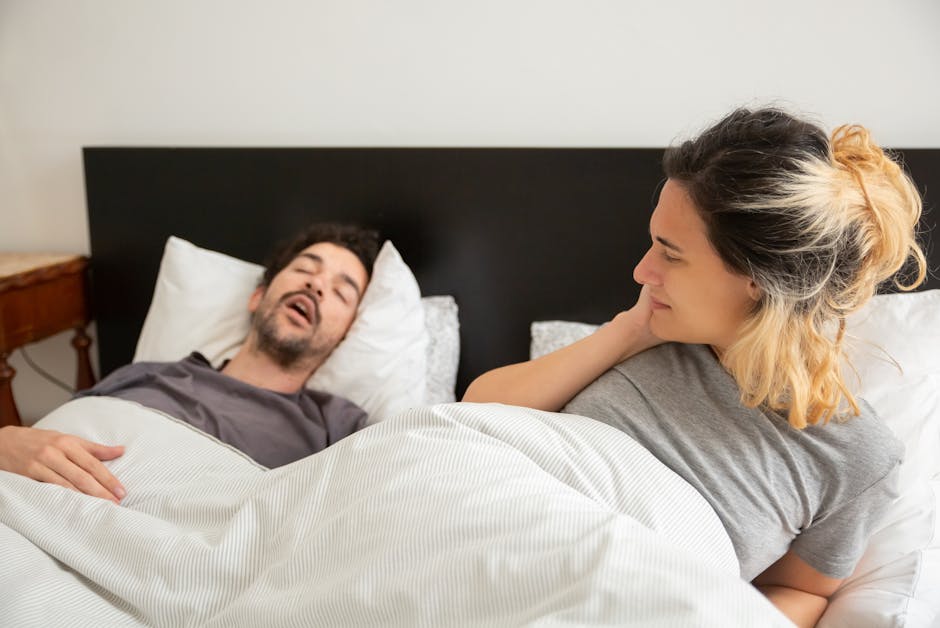
Snoring. That rumbling, sometimes whistling, often disruptive sound that can plague your sleep and your partner's. It's a common problem, affecting millions worldwide, and while it can sometimes be humorous, it's often a sign of a deeper issue and a definite impediment to a good night's rest. Thankfully, there are a variety of remedies available to help silence the night and reclaim peaceful slumber.
One of the most common causes of snoring is nasal congestion. When the nasal passages are blocked, air is forced through a smaller opening, creating the vibrations that cause snoring. Simple solutions like nasal strips or a saline nasal spray can help open up the airways and reduce snoring. For those with allergies, identifying and addressing the allergens can significantly improve nasal breathing and minimize snoring.
Another contributing factor to snoring is sleeping position. Sleeping on your back allows the tongue and soft palate to fall back into the throat, obstructing airflow. Try sleeping on your side. A body pillow can help maintain this position throughout the night. Elevating the head of the bed can also help keep the airways open.
Lifestyle changes can also play a significant role in reducing snoring. Excess weight can contribute to snoring by putting pressure on the neck and throat. Losing even a small amount of weight can make a noticeable difference. Smoking irritates the nasal passages and throat, leading to inflammation and increased snoring. Quitting smoking can improve overall health and sleep quality.
Alcohol and sedatives relax the muscles in the throat, making them more likely to collapse and obstruct airflow. Avoiding these substances before bed can help reduce snoring. Dehydration can also thicken nasal secretions, contributing to congestion and snoring. Drinking plenty of water throughout the day can help keep the airways clear.
For some, snoring may be a symptom of a more serious condition like sleep apnea. Sleep apnea is characterized by pauses in breathing during sleep and can have serious health consequences. If your snoring is accompanied by gasping or choking sounds, excessive daytime sleepiness, or morning headaches, it's important to consult a doctor for a proper diagnosis.
There are also a variety of over-the-counter devices designed to help reduce snoring. Mandibular advancement devices (MADs) reposition the lower jaw to keep the airway open. Tongue stabilizing devices (TSDs) hold the tongue forward to prevent it from falling back into the throat. While these devices can be effective, it's important to consult with a dentist or doctor to ensure proper fit and usage.
If lifestyle changes and over-the-counter remedies don't provide sufficient relief, there are medical procedures that can address snoring. These include procedures to remove excess tissue in the throat, such as uvulopalatopharyngoplasty (UPPP) or laser-assisted uvulopalatoplasty (LAUP). In some cases, continuous positive airway pressure (CPAP) therapy may be recommended for individuals with sleep apnea. It's essential to discuss these options with a healthcare professional to determine the best course of action.
Leave a Reply