
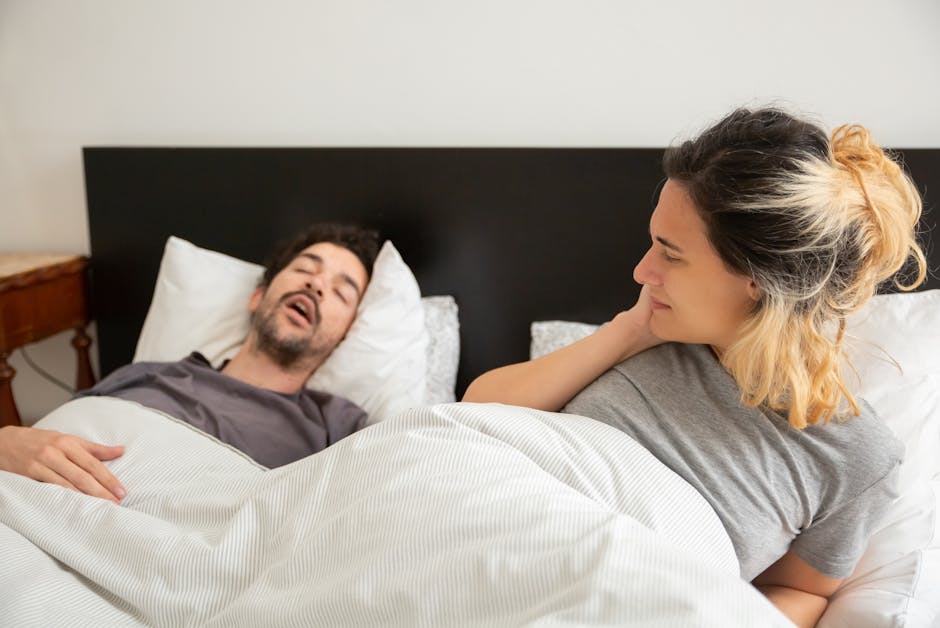
Snoring, that rumbling, sometimes rattling sound that disrupts the tranquility of the night, affects millions of people and their partners. While occasional snoring might be harmless, chronic snoring can be a sign of underlying health issues and significantly impact sleep quality. Fortunately, there are a variety of remedies available to help silence the night and promote restful sleep for everyone involved.
One of the most common causes of snoring is nasal congestion. When the nasal passages are blocked, air is forced through a smaller opening, creating the vibrations that cause snoring. Simple solutions like nasal strips or saline nasal sprays can help open up the airways and reduce snoring. A neti pot, used to rinse nasal passages with saline solution, can also be effective in clearing congestion and promoting easier breathing.
Lifestyle changes can also play a significant role in reducing snoring. Maintaining a healthy weight is crucial, as excess weight can put pressure on the throat, narrowing the airways. Regular exercise and a balanced diet can contribute to weight management and improve overall health, which can positively impact snoring.
Avoiding alcohol and sedatives before bed is another important step. These substances relax the throat muscles, making them more likely to collapse and obstruct airflow. Smoking also irritates the nasal passages and throat, contributing to inflammation and increased snoring. Quitting smoking can significantly improve snoring and overall health.
Sleeping position can also influence snoring. Sleeping on your back often allows the tongue and soft palate to fall back into the throat, obstructing airflow. Try sleeping on your side to keep the airways open. Specialized pillows designed to encourage side sleeping can be helpful in maintaining this position throughout the night.
For more persistent snoring, oral appliances can be an effective solution. These devices, custom-fitted by a dentist, help reposition the jaw and tongue, keeping the airways open. While they can take some getting used to, oral appliances can significantly reduce or eliminate snoring.
In some cases, medical intervention might be necessary. Continuous positive airway pressure (CPAP) therapy is a common treatment for obstructive sleep apnea, a condition characterized by pauses in breathing during sleep. A CPAP machine delivers a constant stream of air through a mask, keeping the airways open and preventing snoring and apnea episodes.
If you're struggling with snoring, don't suffer in silence. Explore these remedies and consult with a healthcare professional to determine the best course of action for your individual needs. With the right approach, you can reclaim the peace and quiet of the night and enjoy the benefits of restful, restorative sleep.
Leave a Reply