
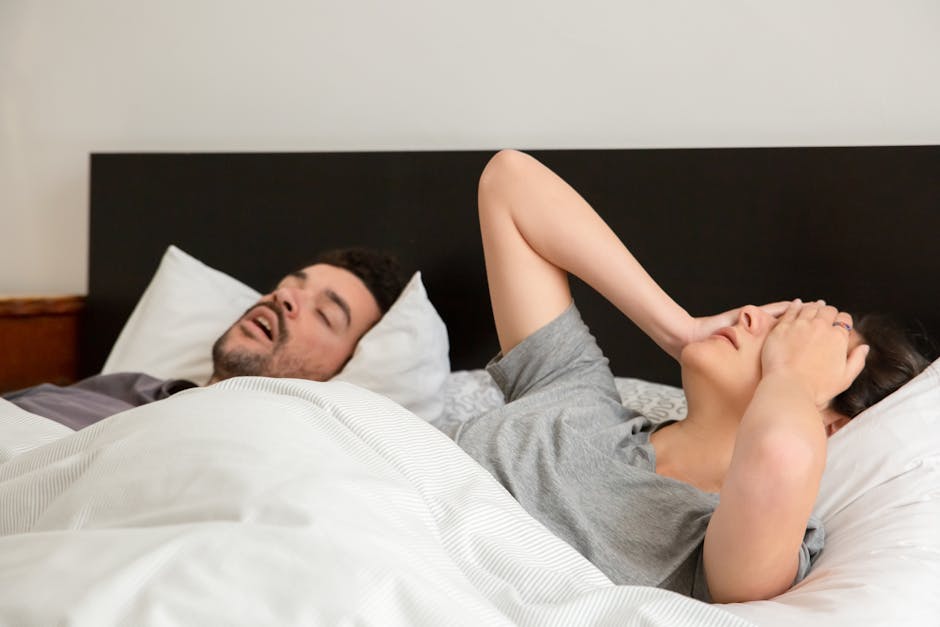
Snoring. That nocturnal symphony of snorts, whistles, and gasps that can disrupt a peaceful night's sleep – both for the snorer and their unfortunate bed partner. While sometimes humorous, snoring can be a sign of underlying health issues and, more often than not, a major source of relationship strife. Luckily, there are a variety of remedies available to help quiet the nightly noise and restore tranquility to the bedroom.
One of the simplest and most effective solutions for many snorers is changing their sleep position. Sleeping on your back often allows the tongue and soft tissues in the throat to relax and collapse into the airway, obstructing airflow and causing vibrations that result in snoring. Try sleeping on your side, propped up with pillows. This can help keep the airway open and reduce or eliminate snoring.
Another common culprit behind snoring is nasal congestion. When the nasal passages are blocked, it forces you to breathe through your mouth, increasing the likelihood of snoring. A saline nasal spray or rinse can help clear out nasal passages before bed, allowing for easier breathing and quieter sleep. Nasal strips, which adhere to the bridge of the nose and help open the nostrils, can also provide relief.
Lifestyle changes can also play a significant role in reducing snoring. Excess weight, particularly around the neck, can put pressure on the airway, contributing to snoring. Regular exercise and a healthy diet can help shed those extra pounds and improve sleep quality. Alcohol and sedatives relax the throat muscles, making snoring more likely. Avoiding these substances before bed can make a noticeable difference.
For persistent snoring, there are several over-the-counter devices designed to help keep the airway open. Anti-snoring mouthpieces, also known as mandibular advancement devices, reposition the jaw slightly forward, preventing the tongue and soft tissues from blocking the airway. Throat sprays and lubricants can help keep the tissues in the throat moist, reducing vibrations and snoring.
If over-the-counter remedies aren't providing sufficient relief, it's important to consult with a doctor. Snoring can sometimes be a symptom of more serious underlying conditions like sleep apnea, a disorder characterized by pauses in breathing during sleep. A doctor can evaluate your snoring and determine if further medical intervention is necessary.
Continuous positive airway pressure (CPAP) therapy is a common treatment for sleep apnea and severe snoring. A CPAP machine delivers a constant stream of air through a mask worn during sleep, keeping the airway open and preventing snoring. While effective, CPAP machines can take some getting used to, and not everyone finds them comfortable.
Ultimately, finding the right snoring remedy requires a bit of experimentation and patience. What works for one person may not work for another. By exploring these different options and consulting with a healthcare professional if needed, you can silence the saw and reclaim a peaceful night's sleep for yourself and your partner.
Leave a Reply