
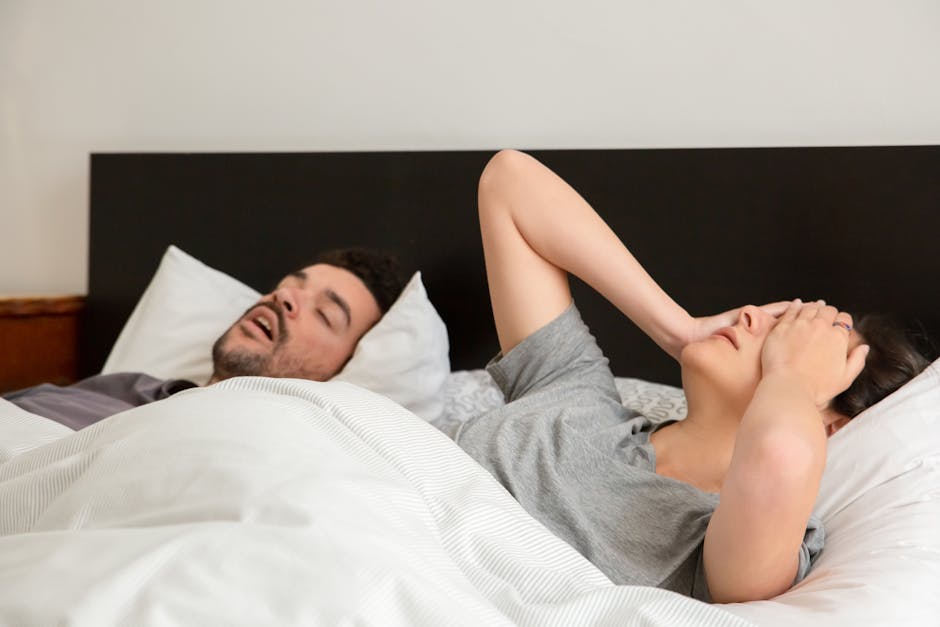
Snoring. That rumbling, rattling, sometimes snorting sound that can disrupt a peaceful night's sleep, not just for your partner, but potentially for you too. While often treated as a lighthearted annoyance, snoring can sometimes be a sign of a more serious underlying health issue, and it certainly impacts the quality of rest for everyone within earshot. Fortunately, there are a number of remedies that can help quiet the nightly symphony coming from your bedroom.
One of the most common causes of snoring is nasal congestion. When your nasal passages are blocked, air is forced through a smaller opening, creating the vibrations that result in snoring. Simple solutions like nasal strips, saline rinses, or a humidifier can help open up your airways and reduce snoring. If allergies are contributing to your congestion, over-the-counter or prescription allergy medications might be beneficial.
Another culprit behind snoring can be your sleep position. Sleeping on your back often allows the tongue and soft tissues in the throat to relax and fall back, obstructing the airway. Try sleeping on your side. A body pillow can help maintain this position throughout the night. Elevating your head with an extra pillow can also help keep your airways open.
Lifestyle factors play a significant role in snoring as well. Excess weight can contribute to snoring by increasing the fatty tissue around the neck, which puts pressure on the airways. Losing weight through a healthy diet and regular exercise can often lessen or even eliminate snoring. Alcohol and sedatives relax the throat muscles, making snoring more likely. Avoiding these substances, especially before bedtime, can make a difference.
Smoking irritates the nasal passages and throat, leading to inflammation and swelling, which can exacerbate snoring. Quitting smoking not only improves your overall health but can also significantly reduce snoring. Staying well-hydrated is important too. Dehydration thickens nasal secretions, making it harder for air to flow freely. Drinking plenty of water throughout the day can help keep your airways clear.
For some individuals, snoring may be a symptom of sleep apnea, a more serious condition in which breathing repeatedly stops and starts during sleep. If your snoring is loud and frequent, accompanied by gasping or choking sounds, or if you experience excessive daytime sleepiness, it's crucial to consult a doctor. Sleep apnea requires medical attention and may be treated with a continuous positive airway pressure (CPAP) machine or other interventions.
While over-the-counter snoring aids like throat sprays and oral appliances are available, their effectiveness varies. It's always a good idea to discuss these options with your doctor or a sleep specialist to determine if they are appropriate for your situation. They can help you identify the underlying cause of your snoring and recommend the most suitable treatment.
Snoring can be a frustrating problem, but it doesn't have to be a permanent one. By addressing underlying issues and making some lifestyle adjustments, you can significantly reduce or even eliminate snoring, leading to more peaceful nights for both you and your sleeping partner.
Leave a Reply