
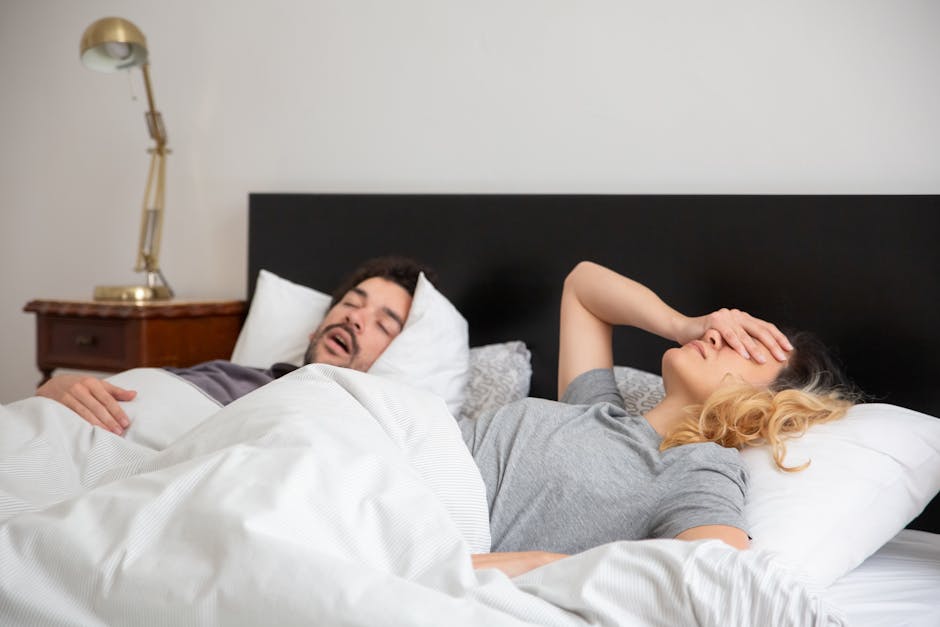
Snoring. That delightful nighttime symphony that can sound like anything from a gentle purr to a grizzly bear gargling marbles. It’s a common problem, affecting millions, and it can disrupt not only your own sleep but the sleep of anyone within earshot. While sometimes humorous, snoring can be a sign of underlying health issues and, let’s be honest, it can put a strain on relationships. Luckily, there are a number of remedies that might just bring peace and quiet back to your bedroom.
One of the simplest solutions is changing your sleep position. Sleeping on your back often exacerbates snoring as gravity pulls the tissues in your throat back, constricting the airway. Try sleeping on your side. A simple trick is to sew a tennis ball into the back of your pajamas to discourage rolling onto your back. If that sounds a bit medieval, body pillows can also help maintain a side sleeping position.
Losing weight, even a small amount, can make a significant difference for some snorers. Excess weight around the neck can put pressure on the airway, leading to those lovely nighttime noises. Regular exercise and a healthy diet can contribute to weight loss and, as a bonus, improve overall health and sleep quality.
Staying hydrated is another surprisingly effective remedy. Dehydration can thicken nasal secretions, making it harder to breathe and increasing the likelihood of snoring. Make sure you're drinking plenty of water throughout the day, especially in the hours leading up to bedtime.
Over-the-counter nasal strips or dilators can help open up the nasal passages, improving airflow and reducing snoring. These adhesive strips gently lift the nostrils, widening the nasal passages and allowing for easier breathing. Nasal irrigation with a saline solution can also help clear out congestion and improve airflow.
For more persistent snoring, consider oral appliances. These devices, custom-fitted by a dentist, help reposition the jaw and tongue, keeping the airway open. While they can take some getting used to, many people find them highly effective.
If lifestyle changes and over-the-counter remedies aren't providing relief, it might be time to consult a doctor. Snoring can sometimes be a symptom of underlying medical conditions such as sleep apnea, a serious sleep disorder that requires medical attention. A doctor can evaluate your snoring and determine if further testing or treatment is necessary.
Finally, remember that creating a consistent sleep schedule and a relaxing bedtime routine can significantly improve sleep quality overall. Avoid caffeine and alcohol before bed, create a dark and quiet sleep environment, and stick to a regular sleep-wake cycle. While these tips won’t necessarily eliminate snoring entirely, they can contribute to better sleep for everyone involved.
Leave a Reply