
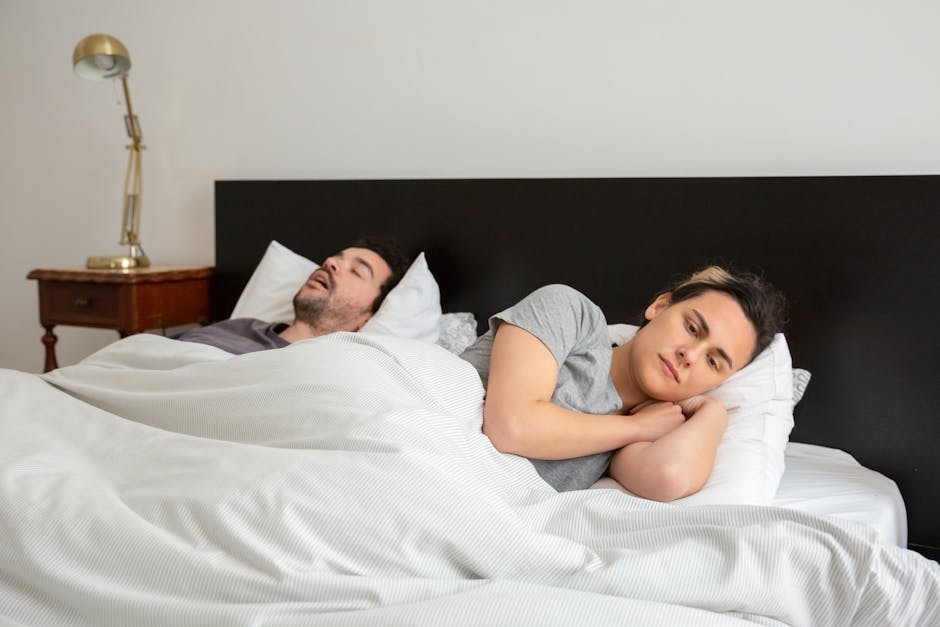
Snoring. That rumbling, grumbling, sometimes whistling sound that can disrupt a peaceful night's sleep – yours and definitely your partner's. While often treated as a lighthearted annoyance, snoring can sometimes be a sign of underlying health issues and, at the very least, a significant impediment to a good night's rest. Fortunately, there are numerous remedies available that can help quiet the nightly symphony of snorts.
One of the most common culprits behind snoring is nasal congestion. When the nasal passages are blocked, air is forced through a smaller opening, creating the vibrations that we hear as snoring. Simple solutions like nasal strips, saline rinses, or a humidifier can often make a noticeable difference. Addressing allergies with antihistamines can also help to clear the airways and reduce snoring.
Another contributing factor to snoring can be sleeping position. Sleeping on your back often allows the tongue and soft tissues in the throat to relax and partially obstruct the airway. Try sleeping on your side. A body pillow can help maintain this position throughout the night. Elevating the head of the bed slightly can also help to keep the airway open.
Lifestyle changes can also play a significant role in reducing snoring. Losing weight, if needed, can help to reduce fatty tissue around the neck, which can contribute to snoring. Regular exercise can improve muscle tone and overall health, indirectly impacting sleep quality. Avoiding alcohol and heavy meals close to bedtime can also help to minimize snoring.
For more persistent snoring, there are a variety of specialized products available. Oral appliances, custom-fitted by a dentist, can help to reposition the jaw and tongue to keep the airway open. Throat sprays and lubricants can help to reduce the vibrations of the soft tissues in the throat. If snoring is severe or accompanied by other symptoms like daytime sleepiness, it's important to consult a doctor.
In some cases, snoring can be a symptom of a more serious condition called sleep apnea. Sleep apnea is characterized by pauses in breathing during sleep and can have serious health consequences if left untreated. A sleep study can diagnose sleep apnea, and treatment options may include a continuous positive airway pressure (CPAP) machine.
While snoring can be a frustrating problem, there are many effective remedies available. Experimenting with different solutions can help you find what works best for you. From simple lifestyle changes to specialized devices, there's hope for a quieter, more restful night's sleep for both you and your partner.
So, take a deep breath, explore the options, and say goodbye to the nightly nose noise. Sweet dreams!
Leave a Reply