
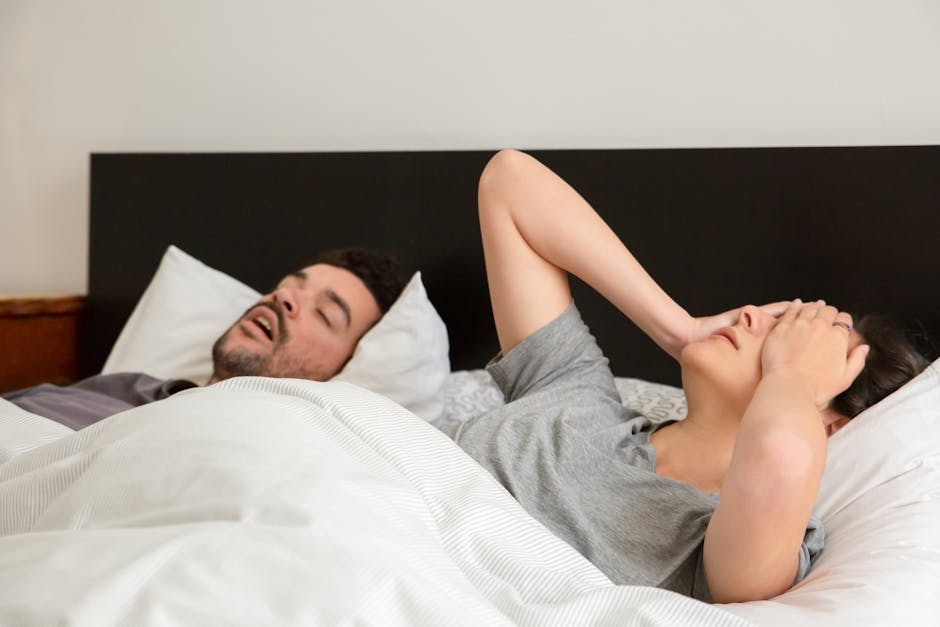
Snoring. It's the unwelcome guest at slumber parties, the bane of light sleepers, and the source of countless elbow jabs in the ribs. While a gentle snore can be endearing, a nightly chorus of rumbling snores can disrupt sleep and strain relationships. Luckily, there are a variety of remedies that can help quiet the nocturnal noise and restore peaceful nights.
One of the most common causes of snoring is nasal congestion. When the nasal passages are blocked, air is forced through a smaller opening, creating the vibrations that result in snoring. Simple solutions like nasal strips or a saline nasal spray can help open up the airways and reduce snoring. For those with allergies, identifying and addressing the allergens can significantly improve nighttime breathing.
Another culprit behind snoring is sleeping position. Sleeping on your back often causes the tongue and soft tissues in the throat to relax and collapse into the airway. Try sleeping on your side. A body pillow can help maintain this position throughout the night. Elevating the head of the bed can also help keep the airways open.
Lifestyle changes can also play a significant role in reducing snoring. Excess weight can contribute to snoring by putting pressure on the neck and throat. Losing even a small amount of weight can make a difference. Alcohol and sedatives relax the throat muscles, increasing the likelihood of snoring. Avoiding these substances before bed can help.
Smoking irritates the nasal passages and throat, leading to inflammation and swelling. Quitting smoking can not only improve snoring but also has numerous other health benefits. Regular exercise can strengthen throat muscles and improve overall sleep quality, leading to quieter nights.
For those with persistent snoring, there are a number of devices available that can help. Mandibular advancement devices (MADs) reposition the lower jaw to keep the airway open. Tongue retaining devices hold the tongue forward to prevent it from obstructing the airway. These devices can be effective but should be fitted by a professional.
In some cases, snoring can be a symptom of a more serious condition called sleep apnea. Sleep apnea is characterized by pauses in breathing during sleep and can have significant health consequences. If your snoring is accompanied by excessive daytime sleepiness, gasping for air during sleep, or morning headaches, it's important to consult a doctor.
Whether your snoring is a minor annoyance or a major disruption, there are solutions available. By addressing the underlying causes and exploring the various remedies, you can reclaim peaceful nights for yourself and your loved ones, and finally say goodbye to the symphony of snorts.
Leave a Reply