
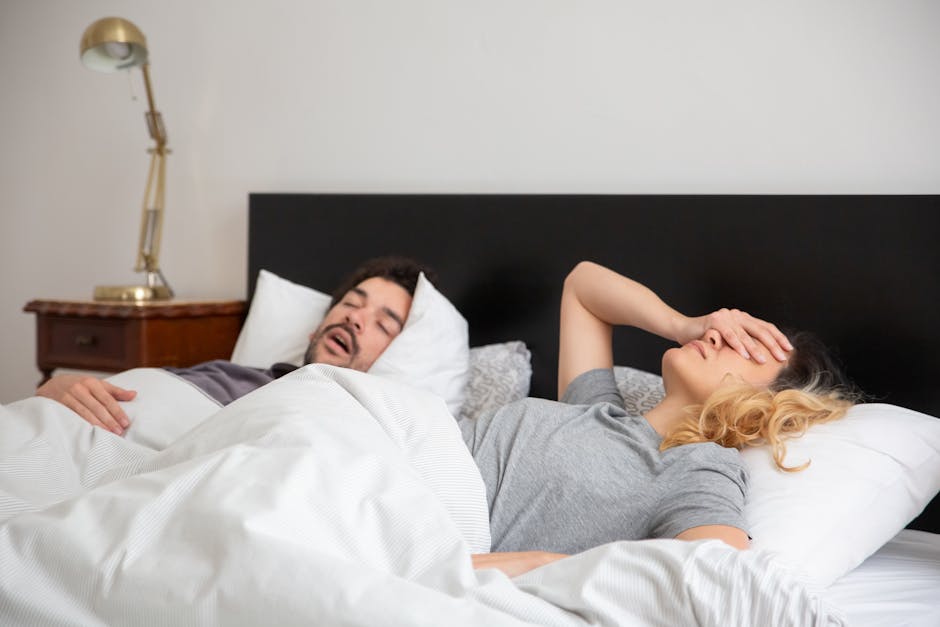
Snoring. That rumbling, rattling, sometimes even roaring sound that can disrupt a peaceful night's sleep, not only for your partner but potentially for you too. While often treated as a lighthearted annoyance, snoring can sometimes be a sign of a more serious underlying health issue, and even if not, it can certainly strain relationships and lead to daytime fatigue. Thankfully, there are a number of remedies available to help quiet the nocturnal noise and reclaim a good night's rest.
One of the most common causes of snoring is nasal congestion. When the nasal passages are blocked, air is forced through a smaller opening, creating the vibrations that result in snoring. Addressing the congestion can often significantly reduce or eliminate the snoring. Simple solutions like saline nasal sprays, nasal strips, or a neti pot can help clear the airways. For allergies, over-the-counter antihistamines or decongestants might be beneficial.
If nasal congestion isn't the culprit, consider your sleep position. Sleeping on your back often exacerbates snoring as gravity pulls the tongue and soft tissues in the throat backward, constricting the airway. Try sleeping on your side. A body pillow can help maintain this position throughout the night. Elevating the head of the bed slightly can also help keep the airways open.
Lifestyle changes can also play a significant role in reducing snoring. Excess weight can contribute to snoring by adding tissue around the neck and throat. Regular exercise and a healthy diet can help shed those extra pounds and potentially lessen the snoring. Alcohol and sedatives relax the throat muscles, making snoring more likely. Limiting their use, especially before bedtime, can be beneficial.
Smoking irritates the nasal passages and throat, leading to inflammation and increased mucus production, all of which can contribute to snoring. Quitting smoking can improve overall health and potentially reduce snoring as well. Staying well-hydrated is also important. Dehydration thickens nasal secretions, making it more difficult to breathe clearly and potentially increasing snoring.
If over-the-counter remedies and lifestyle changes aren't providing sufficient relief, it might be time to consult a doctor. Snoring can sometimes be a symptom of sleep apnea, a more serious condition in which breathing repeatedly stops and starts during sleep. A doctor can diagnose sleep apnea and recommend appropriate treatment, such as a continuous positive airway pressure (CPAP) machine.
There are also a variety of oral appliances available that can help keep the airway open during sleep. These devices, often custom-fitted by a dentist, reposition the jaw or tongue to prevent airway obstruction. In some cases, surgery may be an option to correct structural issues in the nose or throat that contribute to snoring.
Snoring doesn't have to be a permanent nightly nuisance. By exploring these various remedies and consulting with a healthcare professional if necessary, you can find solutions to silence the snorts and enjoy a peaceful night's sleep for yourself and your partner.
Leave a Reply