
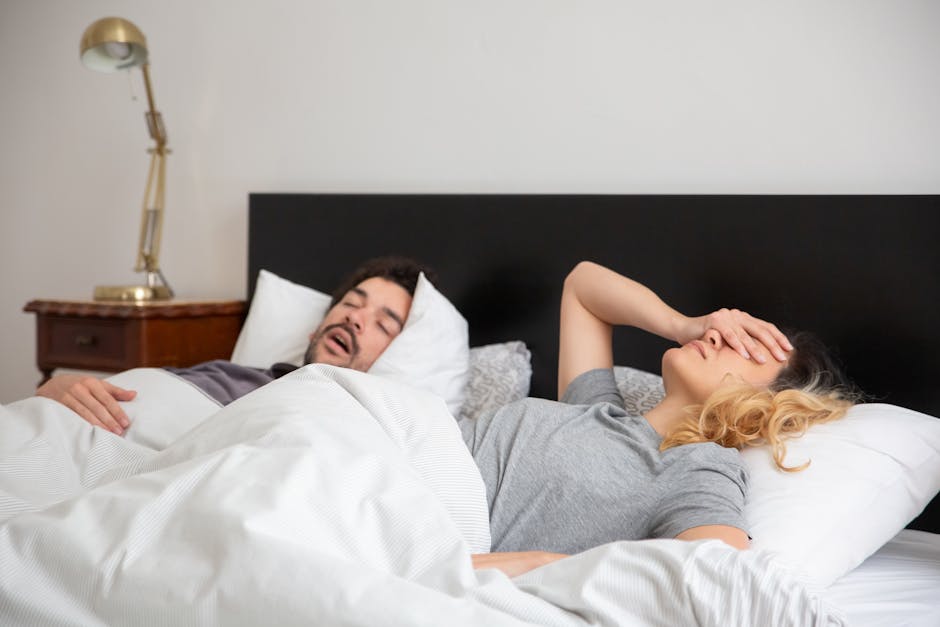
Snoring. That rumbling, rattling, sometimes whistling sound that can disrupt a peaceful night's sleep – both for the snorer and anyone within earshot. It's a common problem, affecting millions of people, and while sometimes humorous, it can also be a sign of underlying health issues and a major strain on relationships. Luckily, there are a variety of remedies that can help silence the nightly symphony of snorts.
One of the most effective ways to combat snoring is to address lifestyle factors. Maintaining a healthy weight is crucial, as excess weight around the neck can compress the airways. Regular exercise, a balanced diet, and limiting alcohol consumption, especially before bed, can all contribute to better sleep and reduced snoring.
Another culprit behind snoring is nasal congestion. When your nasal passages are blocked, you're forced to breathe through your mouth, which increases the likelihood of snoring. Simple solutions like using a saline nasal spray, nasal strips, or a neti pot can help clear those airways and promote easier breathing.
If allergies are contributing to your congestion, identifying and managing those allergens can make a big difference. Dust mites, pet dander, and pollen are common triggers, and using hypoallergenic bedding, air purifiers, or over-the-counter allergy medications can help alleviate symptoms.
Sleeping position also plays a role in snoring. Sleeping on your back often exacerbates the problem, as gravity pulls the tongue and soft tissues back into the throat, obstructing airflow. Try sleeping on your side, or if you find yourself constantly rolling onto your back, consider using a body pillow or specialized anti-snore pillow to maintain a side sleeping position.
For more persistent snoring, there are several devices available that can help. Mandibular advancement devices (MADs) are custom-fit mouthpieces that reposition the jaw and tongue to keep the airways open. Tongue stabilizing devices (TSDs) work similarly by holding the tongue forward. These devices can be effective but may take some getting used to.
In some cases, snoring can be a symptom of a more serious condition called sleep apnea. Sleep apnea is characterized by pauses in breathing during sleep, which can lead to a variety of health problems. If your snoring is accompanied by excessive daytime sleepiness, gasping or choking during sleep, or morning headaches, it's important to consult a doctor for an evaluation.
Finally, remember that finding the right solution for snoring often requires a bit of trial and error. What works for one person may not work for another. Be patient, experiment with different remedies, and don't hesitate to seek professional guidance if your snoring persists. With a little effort, you can reclaim a peaceful night's sleep for yourself and your loved ones.
Leave a Reply