
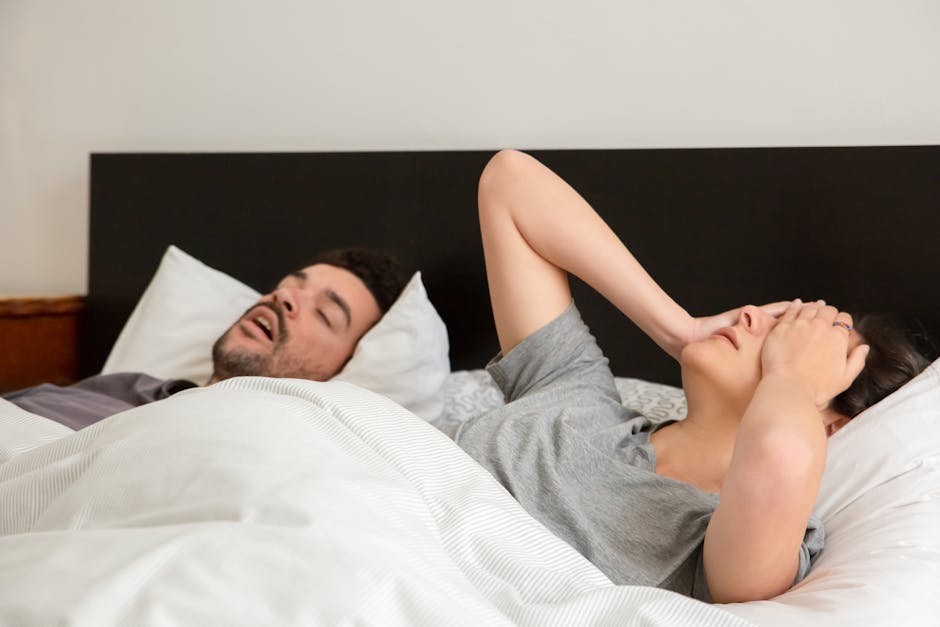
Snoring. That nocturnal noise that can disrupt relationships, ruin sleep, and leave you feeling less than refreshed. It’s a common problem, affecting millions, and while sometimes humorous, it can be a sign of underlying health issues and a definite detriment to a good night’s rest, both for the snorer and anyone within earshot. But don’t despair, there are remedies available that can help silence the nightly symphony of snorts.
One of the easiest and most effective remedies is changing your sleep position. Sleeping on your back often exacerbates snoring as gravity pulls the tongue and soft tissues back, constricting the airway. Try sleeping on your side. A simple trick is to sew a tennis ball into the back of your pajamas to discourage rolling onto your back. This can significantly reduce or even eliminate snoring in some individuals.
Maintaining a healthy weight can also have a dramatic impact on snoring. Excess weight, particularly around the neck, can put pressure on the airways, leading to those tell-tale vibrations. Even a modest weight loss can make a difference. Regular exercise and a balanced diet are key to achieving and maintaining a healthy weight.
Alcohol and sedatives relax the throat muscles, contributing to snoring. Avoiding these substances, especially close to bedtime, can help keep the airways open and reduce snoring. Smoking also irritates the nasal passages and throat, leading to inflammation and increased mucus production, which can worsen snoring. Quitting smoking is beneficial for overall health and can positively impact snoring.
Staying hydrated is important for overall health and can also help reduce snoring. When you're dehydrated, secretions in your nose and soft palate become stickier, which can increase the likelihood of snoring. Drinking plenty of water throughout the day can help keep these passages clear.
If lifestyle changes aren't enough, several over-the-counter remedies can help. Nasal strips can help open the nasal passages, improving airflow. Oral appliances, available from dentists, can help reposition the jaw and tongue to keep the airway open. These appliances can be effective but can also be expensive.
For more persistent or severe snoring, medical intervention might be necessary. Continuous positive airway pressure (CPAP) therapy is a common treatment for obstructive sleep apnea, a condition that often causes loud snoring. A CPAP machine delivers a constant stream of air through a mask, keeping the airway open. Other medical procedures, such as surgery to remove excess tissue or correct structural abnormalities, might be considered in some cases.
Snoring can be a complex issue with various underlying causes and potential solutions. While some simple lifestyle changes can make a big difference, it’s important to consult with a healthcare professional if snoring is severe, disruptive, or accompanied by other symptoms like excessive daytime sleepiness. They can help determine the underlying cause and recommend the most appropriate treatment plan. A quieter night’s sleep for you and your loved ones might be just a few snores away.
Leave a Reply